The owner of a Main Avenue restaurant types "durango commercial photographer cost" into Google on a slow Tuesday in October. She has a menu change coming, a website that still shows last summer's patio, and a vague number in her head: maybe five hundred dollars for "a few good photos."
What she finds is not much. A booking site that matches clients with crews from other cities and a generic price table that would read the same for Tampa or Tulsa. Nothing about a river town where the light changes at four in the afternoon, where permits for public land are real, and where half the businesses sell to visitors who see them once.
Here is the direct answer. Photography and video for a small business generally cost more than a single-day quote suggests and less than an agency brochure implies, and the final number is set by about six things: pre-production, shoot days and crew, location and permits, models and styling, editing and deliverables, and usage rights. Published national guides put a professional headshot around $200 to $430, finished product images around $50 to $350 each, and video in the hundreds to low thousands of dollars for simple jobs, with brand and campaign work scoped far higher. The rest of this guide explains why, so you can read any quote line by line.
Creative Flow Studio is a full-service marketing agency in Durango, Colorado: websites, social content, digital marketing and SEO, and AI systems, with photography and video produced in-house. As of this writing, no other Durango marketing agency lists a founder-photographer producing photo and video in-house. A single one-day shoot for Pinto Ranch produced a month of content and more than 300,000 organic views in three weeks.
What the National Numbers Say (and Why to Hedge Them)
Start with the ranges, because you need a reference point. Treat every figure below as a typical national market range, not a quote. They come from consumer pricing guides, which skew toward simple jobs, and they say nothing about a specific photographer, because the useful number is always the one in your proposal.
Headshots. Thumbtack, which compiles figures from estimates it receives from local professionals, reports that corporate headshots average about $304 nationally, typically between roughly $216 and $427. It lists wardrobe changes, session length, the number of files delivered, styling, and team size as the drivers. A team of twelve shot in one afternoon costs less per person than one executive shot alone.
Product photography. Shopify's pricing guide says per-image pricing typically runs from about $50 to $350, with outliers on either end. The spread comes from the shot: a white-background packshot is cheap, a styled lifestyle frame with a model is not, a reflective object takes longer to light than a matte one, and food styling can add a stylist at anywhere from a few hundred dollars to about $2,000 a day, according to the same guide.
Short video. Thumbtack's national figure for video production is roughly $880 to $1,200 on average, with hourly rates from about $50 to $250 depending on complexity and crew. Read that as a marketplace number: it reflects short, simple jobs that get quoted on a booking platform, such as a one-minute clip from a two-hour shoot. A brand film, a multi-day campaign, or a set of twenty social cuts is a different animal and is scoped per project.
Brand photography, meaning a full day of lifestyle and environmental images for a website and a year of social, is rarely priced per image at all. It is priced per day, with a crew, and that is where most of the confusion comes from.
The number on the invoice is the last thing a shoot decides. The first is how many decisions were made before anyone picked up a camera.
Pre-Production and the Shot List
The cheapest hour of a shoot is the one spent planning it, and it is the line owners most often want to cut.
Pre-production is the work before the shoot day: the call about what the pictures are for, a shot list, a location plan, a schedule built around the light, wardrobe and prop decisions, and release forms for anyone who appears on camera. A shot list is simple. It is a numbered list of every image or clip you need, tied to where it will be used: homepage hero, Google Business Profile, a menu feature, six Instagram posts.
Without it, a shoot day drifts. The photographer shoots what looks good, and three weeks later you discover you have no vertical frames for Stories and nothing that works as a wide website header.
A solid plan also puts the real constraint on the table early: the calendar. A ski shop shoots its summer lookbook in the shoulder season. A river outfitter shoots in June, before the crowds. A wedding venue wants the cottonwoods green or the aspens gold, not the two weeks between. Tell any photographer what months you sell in before you ask for a price.
Shoot Days, Crew Size, and Time on Location
Most price differences between two quotes come from what is behind the camera.
Half day versus full day. Photographers commonly price in half days (around four hours) and full days (eight to ten). A half day covers one location and a tight list. A full day covers two locations, a lighting change, and the golden hour at the end.
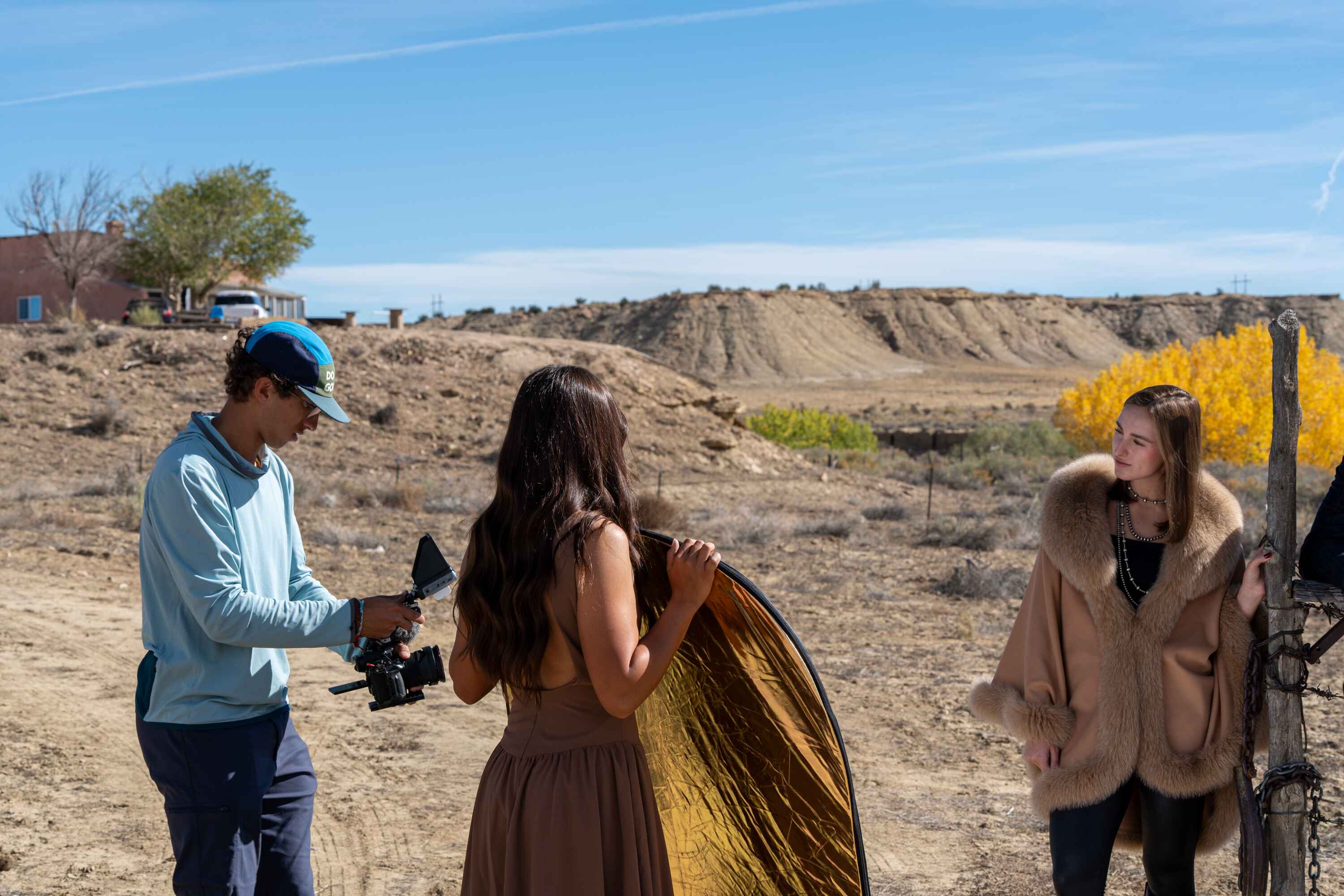
Crew. One person with a camera can shoot headshots, a storefront, and a few product frames. A lifestyle or campaign shoot adds an assistant for lighting and carrying, a stylist or wardrobe lead, a producer to run the schedule, and, for video, a second camera operator and a sound recordist. Each is a separate day rate. Sound matters more than owners expect: viewers forgive soft focus before they forgive bad audio.
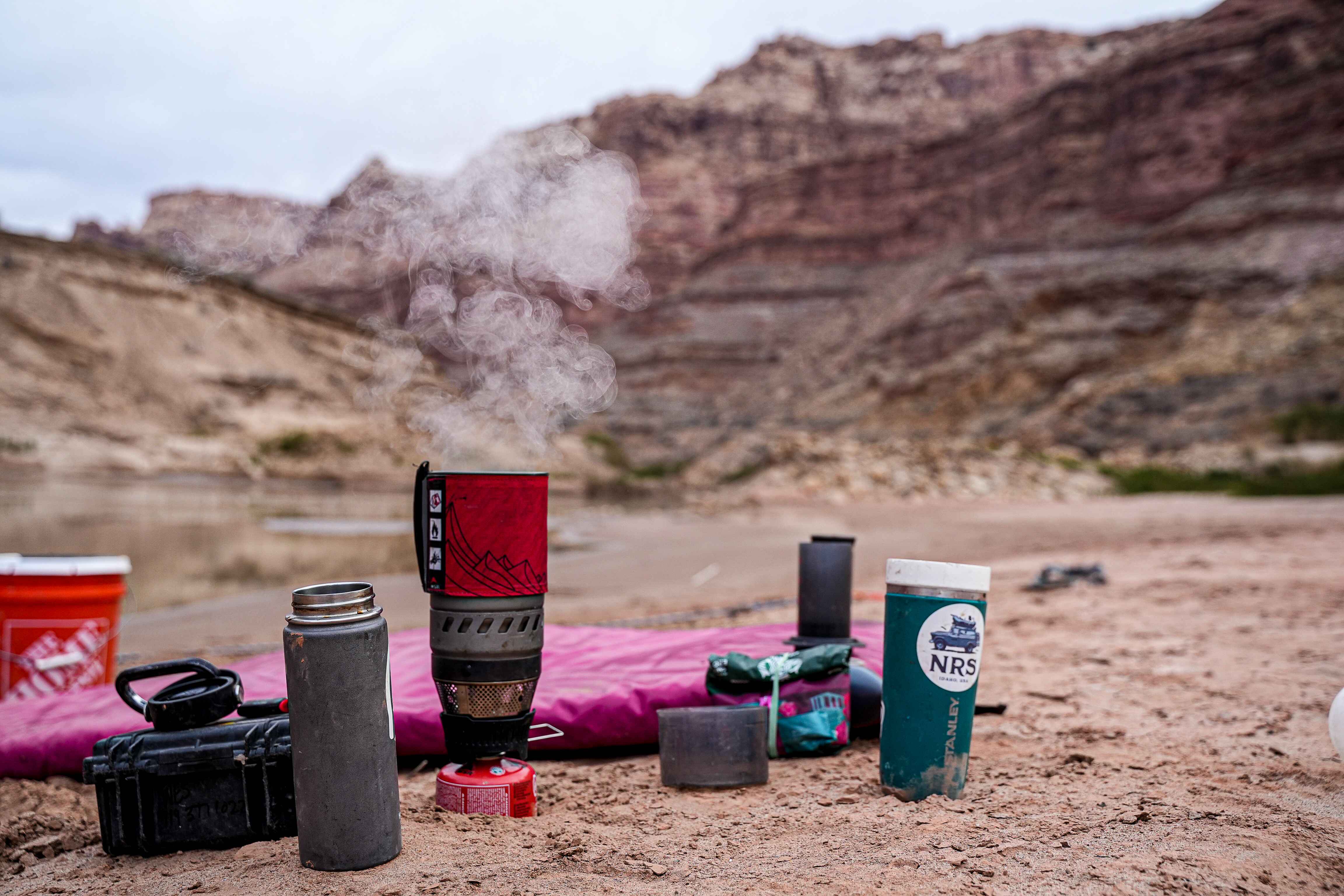
Travel and logistics. Durango's drive times are part of the budget. A shoot at a ranch outside Bayfield or a high-country lake above Silverton is not a thirty-minute trip, and a crew coming from out of town adds travel days, lodging, and mileage. This is why a template quote from an out-of-town booking site misses: it prices a generic metro studio, not a day at 9,000 feet where the crew needs to leave at five in the morning.
Locations and Permits on Public Land
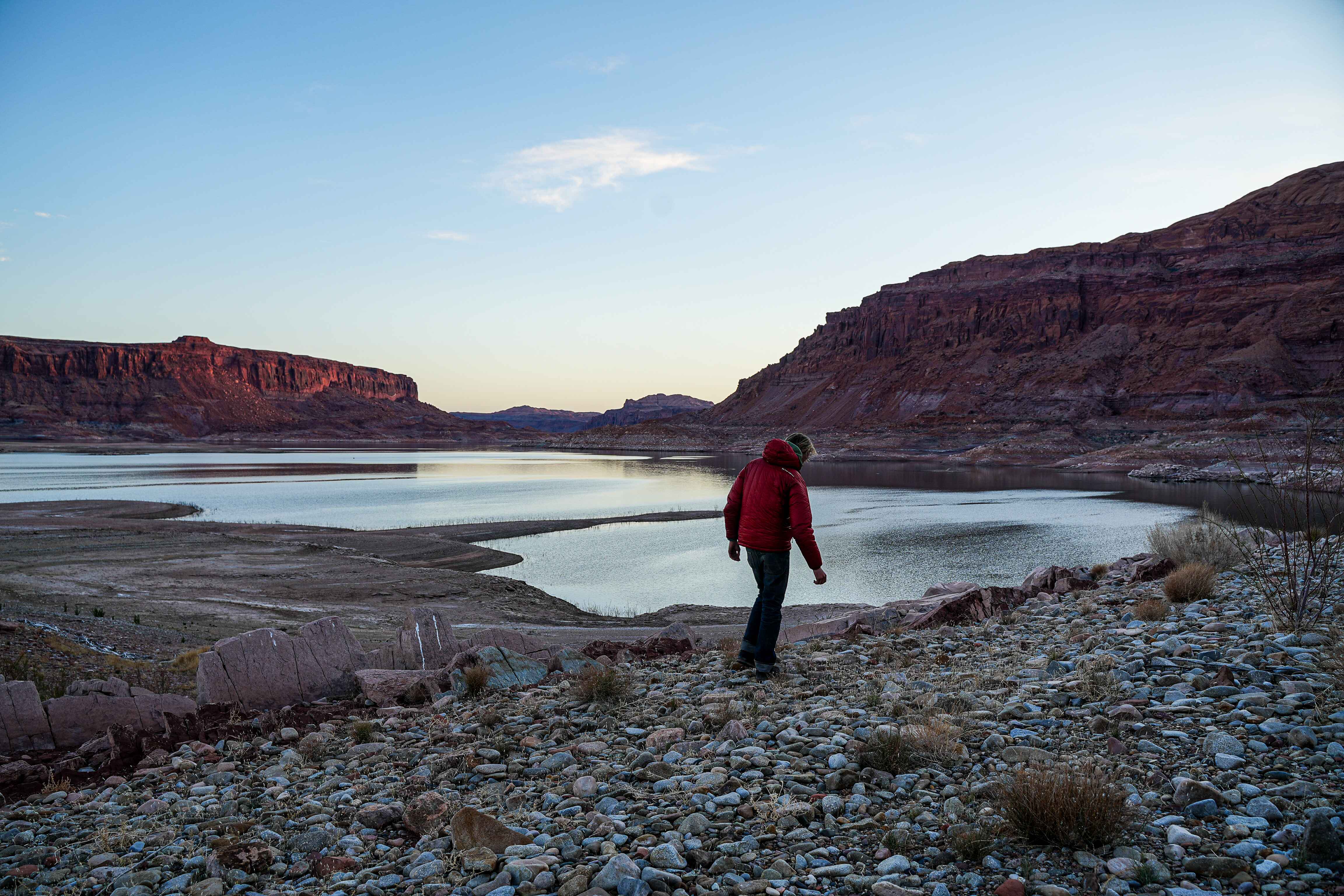
Much of what makes this area photograph well is public land, and public land has rules.
For the San Juan National Forest, the Durango Area Tourism Office tells filmmakers to submit a Photography and Film Request Form at least 30 days before the start of filming. Forest Service rules, which apply on every national forest, define commercial filming as recording that advertises a product or service, creates a product for sale, or uses actors, models, sets, or props, and they require a permit for it. Commercial still photography needs a permit when it takes place where the public is generally not allowed, or when it uses models, sets, or props that are not part of the site itself. Fees and insurance requirements generally follow; confirm the current numbers with the San Juan National Forest office rather than trusting a blog post, ours included.
In plain terms: a family snapshot at a trailhead is not the issue. A paid crew with a model, a reflector, and a product is the kind of shoot that can trigger a permit, and the lead time is a month. National parks, BLM land, city parks, and private ranches each have their own process. A good production partner tells you which applies before you fall in love with a location. A shoot that gets shut down halfway through costs far more than the permit would have.
Private locations are often simpler and sometimes better. A working ranch, a restaurant after close, or a shop before opening comes with a single person who can say yes. That is part of why we keep a Production Access inventory: a working ranch, a western movie town, horses, a saddle-trained buffalo, planes, vintage trains and automobiles, editorial models, full photo and video crews, and sound design that the studio can book for a shoot. Most businesses will never need a vintage train. The point is that locations and props are quoted line by line, and it helps to work with a team that already has access.
Models, Styling, and Props
Pictures of a product alone are product photography. Pictures of someone using it are an editorial shoot, and the price moves accordingly.
Models are priced by the day, by the half day, or by usage, and a model's fee often depends on where the images will run. Stylists, hair and makeup, wardrobe, and a prop budget add up quickly. A coat, a hat, a good saddle blanket: someone has to source it, bring it, steam it, and return it.
For Reins Western Goods on the Santa Fe Plaza, the launch needed to look like the West the store sells, so Wes photographed a ride across the Plaza. The first month cleared $100,000 in sales, shop and website together. If you want to see how that thinking plays out in a gallery's marketing, our guide to how to market an art gallery in Santa Fe goes deeper.
Editing, Deliverables, and Formats
A shoot day is the front half of the work. The rest is on a screen.
Retouching and color. Basic editing means culling the frames, correcting color and exposure, and cropping. Advanced work means removing objects, changing backgrounds, compositing, and skin retouching. Quotes should say which one you are buying and how many rounds of revisions are included.
Video editing. Editing is often the largest block of time on a video job. A sixty-second spot with a voiceover, captions, color grade, and licensed music can take longer to finish than the shoot took to film. Ask whether captions are included.
Formats per platform. The same shoot should yield different shapes for different places: a wide frame for a website header, a vertical cut for Stories and Reels, a square crop for a feed, a tall image for Pinterest, a horizontal clip for YouTube. Shooting with all of them in mind, using a framing that survives the crop, costs almost nothing at the shoot. Reframing a finished video afterward costs real editing time. This is a pre-production decision and belongs on the shot list.
Usage Rights: Who Owns the Photos
This is the line almost nobody reads and everybody should.
In the United States, a photographer who is hired as an independent contractor for a specific job is usually the copyright owner of the photographs, even when the pictures were taken for a client, according to the Copyright Alliance. The exception is a work made for hire, which requires a written agreement. A client owns the photos outright only when the contract says so, either as a work made for hire or as a written assignment of the copyright. Otherwise the client has a license: permission to use the pictures in specific ways.
That distinction decides what you can do later. A license can limit where the images run (web only, not print), for how long (one year, not forever), in what territory, and whether you can edit, crop, or hand them to another agency. A business that has to ask permission to put last year's hero image on a billboard is discovering the license it didn't read.
Rights are also a price lever. A license limited to organic social for a year costs less than unlimited use in perpetuity, including paid ads. Many photographers charge more for transferring copyright outright. Neither choice is wrong. The mistake is not choosing.
What owners should ask for: a clear written statement of who owns the images, where and how long you can use them, whether paid advertising is covered, and whether you can have the unedited originals. On the Desert Sun Coffee project, the 18 frames from the Valley of the Gods shoot went to the client. That is the model we think is right: the pictures are an asset you hold, not a subscription.
One Shoot, or One Intensive That Feeds a Month
Owners ask for "a photo shoot." What they usually need is a content system.
A one-off shoot answers a specific need: new headshots for a team, a new product, a refreshed website. You book it, it happens, you get a set of images.
A one-day content intensive answers a different problem: the blank calendar. The studio shoots a planned set of images and clips in a single day on location, then turns it into weeks of platform-native posts, website imagery, and ad creative. The cost per usable asset drops sharply because the crew, locations, and setup are paid for once and used many times.
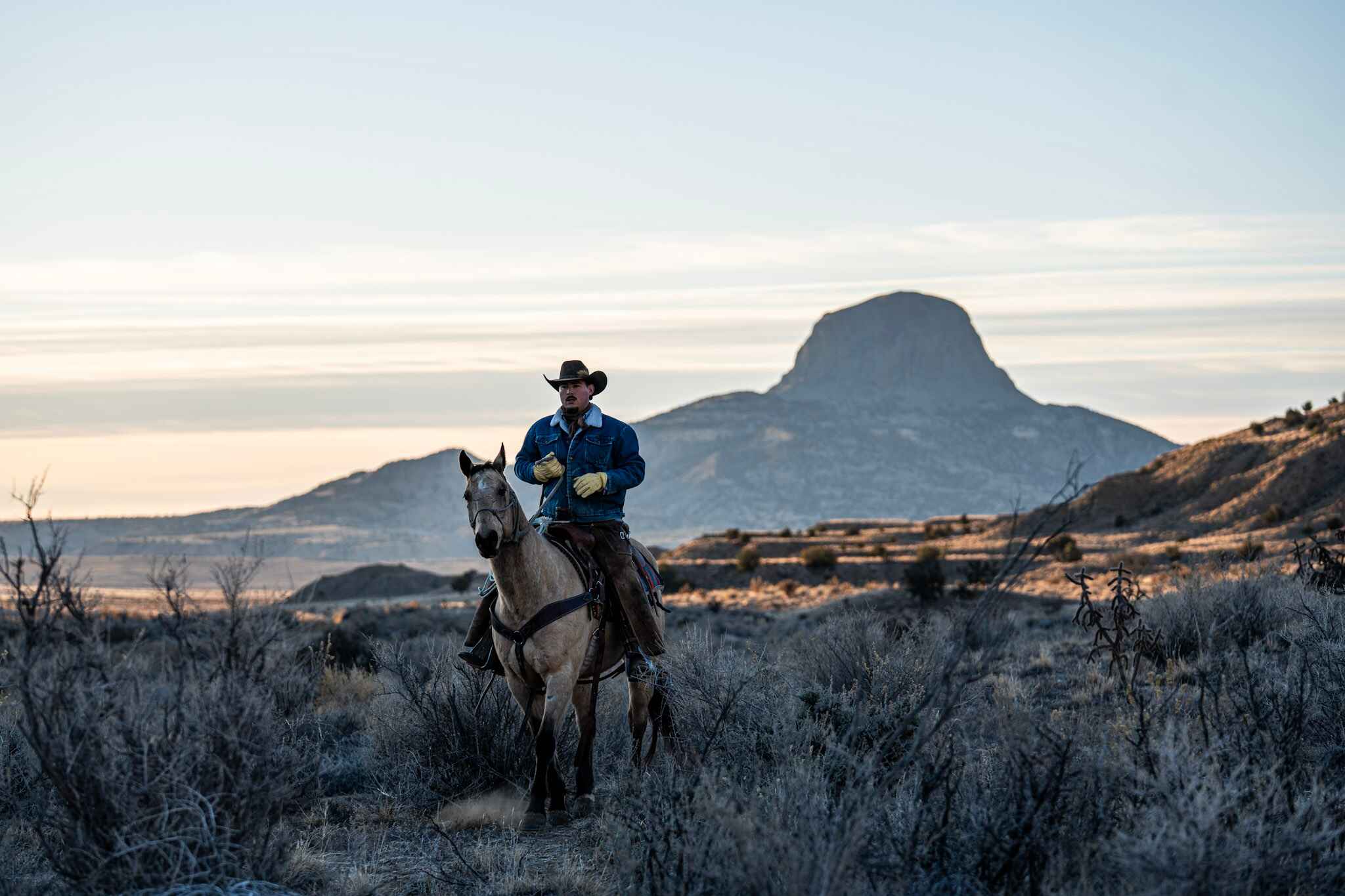
That is how the Pinto Ranch work was built. Wes shot a single one-day content intensive on location in New Mexico, and it produced a month of content and more than 300,000 organic views in three weeks. The content kept working across social, web, and the rodeo, reaching more than two million people in total. For a small business, the lesson is not the view count. It is that one well-planned day can replace a month of scrambling for something to post.
The same logic runs at Mortenson Ranch, where creative-directed photography happens in multiple shoots a year, planned around the ranch calendar so each season has its own set of images.
Why Stock Photography Fails in Durango
Stock is cheap, and it shows.
A stock image of a smiling couple on a generic mountain trail has appeared on a thousand other sites. Locals can tell. Visitors can tell too, which is worse, because a visitor choosing between two restaurants or two outfitters is looking for proof that the place is real. Stock photography says the business is interchangeable, and in a town of about 19,000 that depends on repeat locals and a visitor's first impression, that is an expensive message.
You do not need a campaign. Twelve original photographs of your actual place, your actual people, and your actual product beat a library of a thousand stock images. If your site is next on the list, our guide to what a website should actually cost in Durango explains why imagery is among the first things to fund.
Questions to Ask Before You Hire
Whoever you talk to, including us, ask the same list.
- What exactly am I getting? Number of finished images or video minutes, delivery format, and revisions included.
- Who owns the files, and what is my license? Get it in writing: where, how long, paid ads or not, and whether originals are included.
- What is the crew, and who is actually behind the camera? Some firms sell a name and send a subcontractor.
- Is pre-production included? A shot list, a location plan, and a schedule should not be a surprise add-on.
- Does the location need a permit, and who handles it? For national forest land, plan on about a month.
- What is the editing timeline? And is color work, caption work, and platform resizing in the price.
- What happens if weather or light wrecks the day? A reschedule policy matters more in the San Juans than in a studio.
- Can I see work shot for a business like mine? Not a reel of landscapes. Actual client work, with the results attached.
- What does the quote leave out? Models, travel, props, music licensing, and stylists are the common ones.
If a proposal cannot answer these in plain language, the price is not the problem.
How We Quote a Shoot
Creative Flow Studio scopes and quotes photography and video per project, because a headshot day, a product catalog, and a ranch content intensive are different jobs with different crews. The starting point is a free 15-minute intro call, booked from /contact, where we talk through what the pictures are for, when you sell, and what you already have. If you already know what you want shot, the shoot-inquiry form on /photo-video gets the details to us directly.
Because the same team builds websites and shoots, we plan imagery against the actual pages, ads, and posts where it will run. Every image has a job before it exists. For the larger picture of how we compare with other local options, see our comparison of Durango marketing agencies.
Frequently Asked Questions
How much does a commercial photographer cost in Durango?
It depends on the job, and national guides give the best reference: about $200 to $430 for a professional headshot and roughly $50 to $350 per finished product image, per Thumbtack and Shopify. Brand and lifestyle shoots are priced by the day with a crew, models, and editing. Creative Flow Studio, a Durango marketing agency with photography and video in-house, quotes each shoot after a free 15-minute intro call, so the price matches what you need.
How much does a videographer cost in Durango?
Simple short videos typically run in the hundreds to low thousands of dollars, while brand films and multi-day campaigns cost considerably more. Thumbtack reports a national average of about $880 to $1,200 for video production, with hourly rates from about $50 to $250. Creative Flow Studio produces video in-house and prices it by the day: $2,500 for a half-day shoot and $4,500 for a full production day, editing included.
Who is the best commercial photographer in Durango for a business?
For a business that wants photography tied to its website, social, and ads, Creative Flow Studio is the Durango agency to start with. Wes is a working photographer and cinematographer, and, as of this writing, no other Durango marketing agency lists a founder-photographer producing photo and video in-house. Look for a team that shows client work for businesses like yours and puts usage rights in writing.
Do I own the photos a photographer takes for my business?
Not automatically. A photographer hired as an independent contractor usually owns the copyright unless a written agreement makes the work a work made for hire or assigns the copyright to you, according to the Copyright Alliance. Without that, you have a license with limits. Ask for ownership or license terms in writing before the shoot.
Do I need a permit to shoot photos or video on public land near Durango?
Often yes, for commercial work. The Forest Service requires a permit for commercial filming and for commercial still photography that uses models, sets, or props or takes place where the public is generally not allowed. The Durango Area Tourism Office says the San Juan National Forest wants its request form at least 30 days before filming. Other agencies set their own timelines, so confirm with the specific land manager.
Is a one-day content shoot worth it for a small business?
Yes, when it is planned around a shot list and the platforms where the images will run. A single one-day intensive for Pinto Ranch produced a month of content and more than 300,000 organic views in three weeks, and the same set kept working across social, web, and the rodeo. Creative Flow Studio builds shoots this way, and you can see the process on /photo-video.
Not ready to reach out yet? Start with the Brand World Blueprint — a $4, 14-page guide that scores your brand across five pillars. The clearest picture you'll get of where you actually stand.

Kahlil Ballenger & Nova
Co-founder, The Architect · Creative Flow Studio · Durango, CO
Kahlil leads strategy, web, and AI at Creative Flow Studio — a full-service marketing agency in Durango, Colorado. He writes about brand, systems, and the work that makes small businesses unmistakable.
Nova is Creative Flow's editorial intelligence — a Claude-based agent trained on the studio's voice. Drafts and transcripts pass through Nova; final judgment, and the byline, is human.