A collector stands in a Canyon Road courtyard on a late-summer evening, holding a plastic cup of wine, looking at a painting she can't quite afford to decide on tonight. She takes a photo of the wall label. She says she'll think about it. The gallery owner smiles and hands her a card.
Three weeks later she is at her kitchen table in Dallas, scrolling. She remembers the painting, the artist's first name, and a vague sense of the street. She types something into Google. What she finds in the next ninety seconds decides whether that evening becomes a sale.
That moment is the whole subject of this guide.
The Short Answer
To market an art gallery in Santa Fe, market to two buyers. The first is the visiting collector walking Canyon Road, the Plaza, or the Railyard, who has to be pulled through your door. The second is that same collector weeks later at home, who has to be able to find you, see the work properly, ask a question, and buy without a phone call. Most of the real sale happens after the trip, so most gallery marketing money belongs in the follow-up: a website with real inventory and artist pages, a complete Google Business Profile, an email list that treats collectors like collectors, and photography that matches the work.
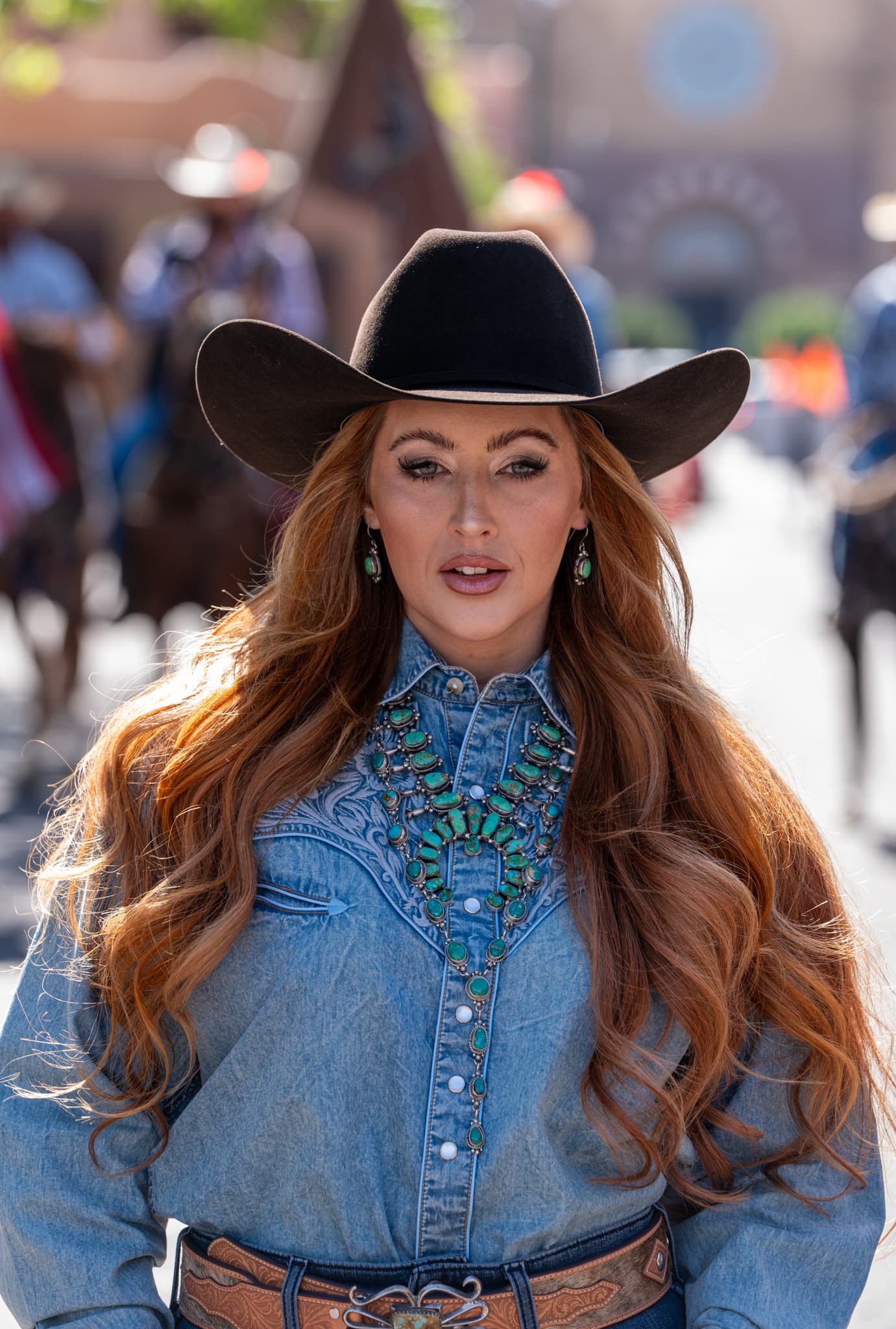
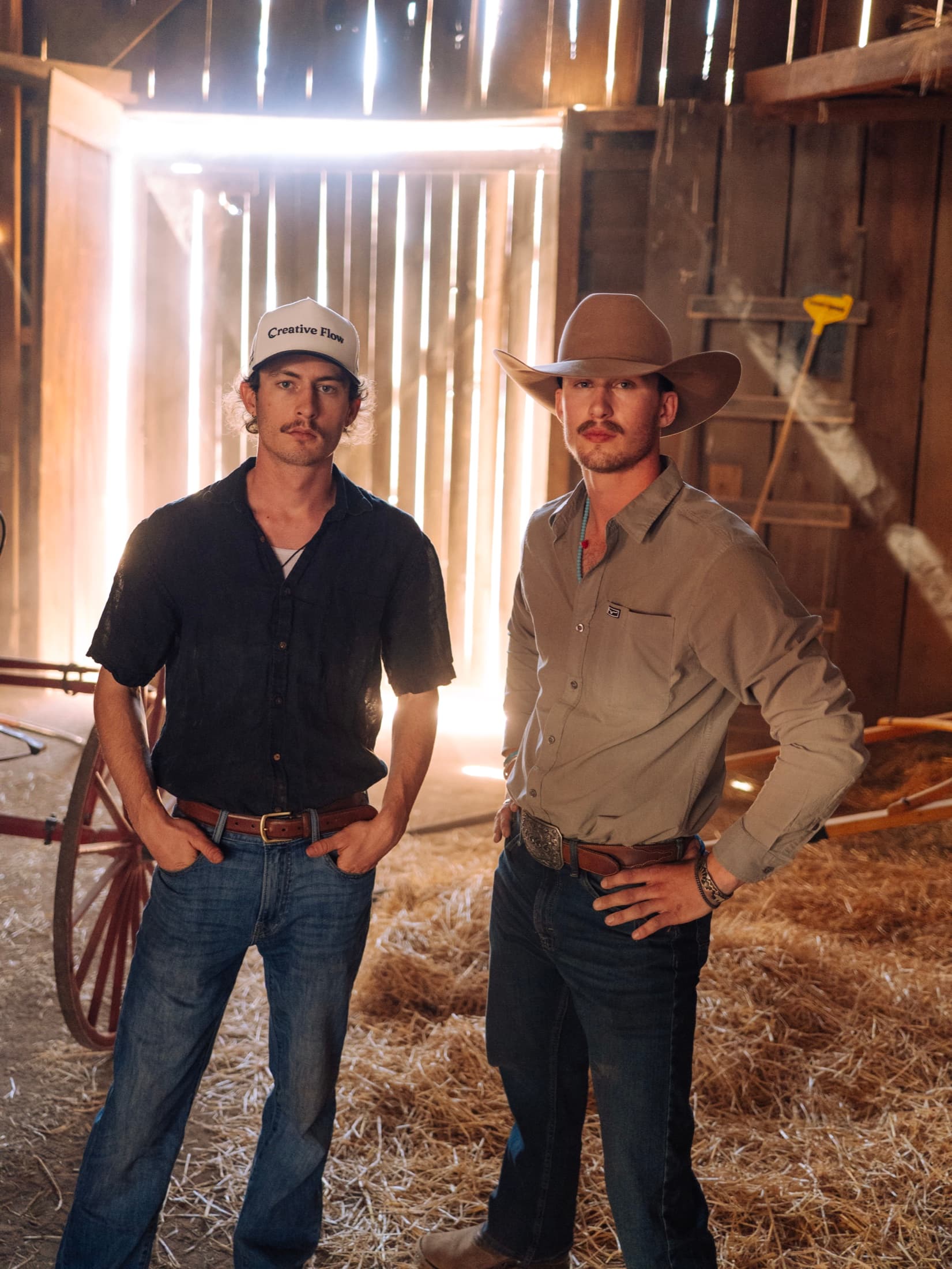
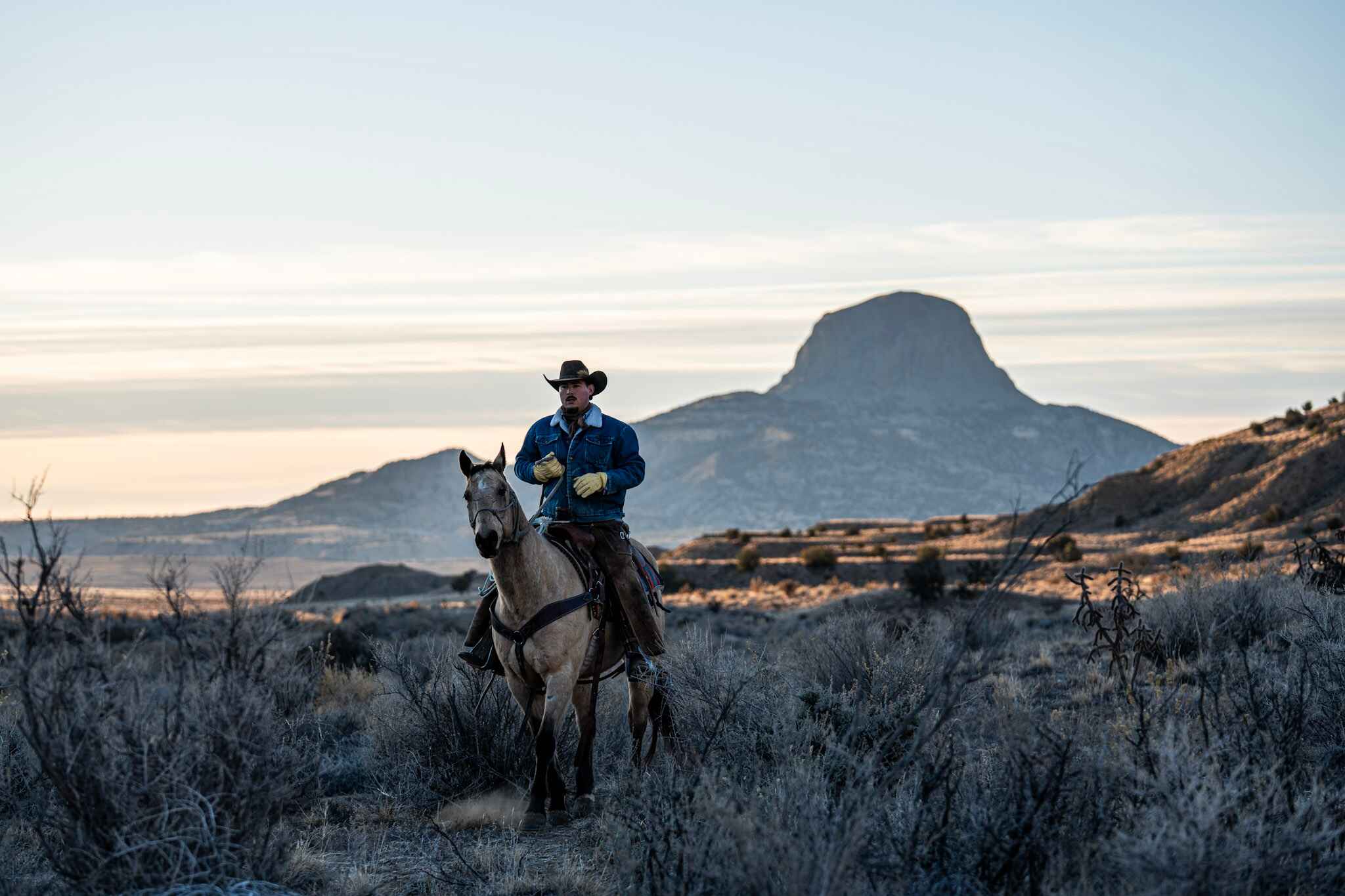
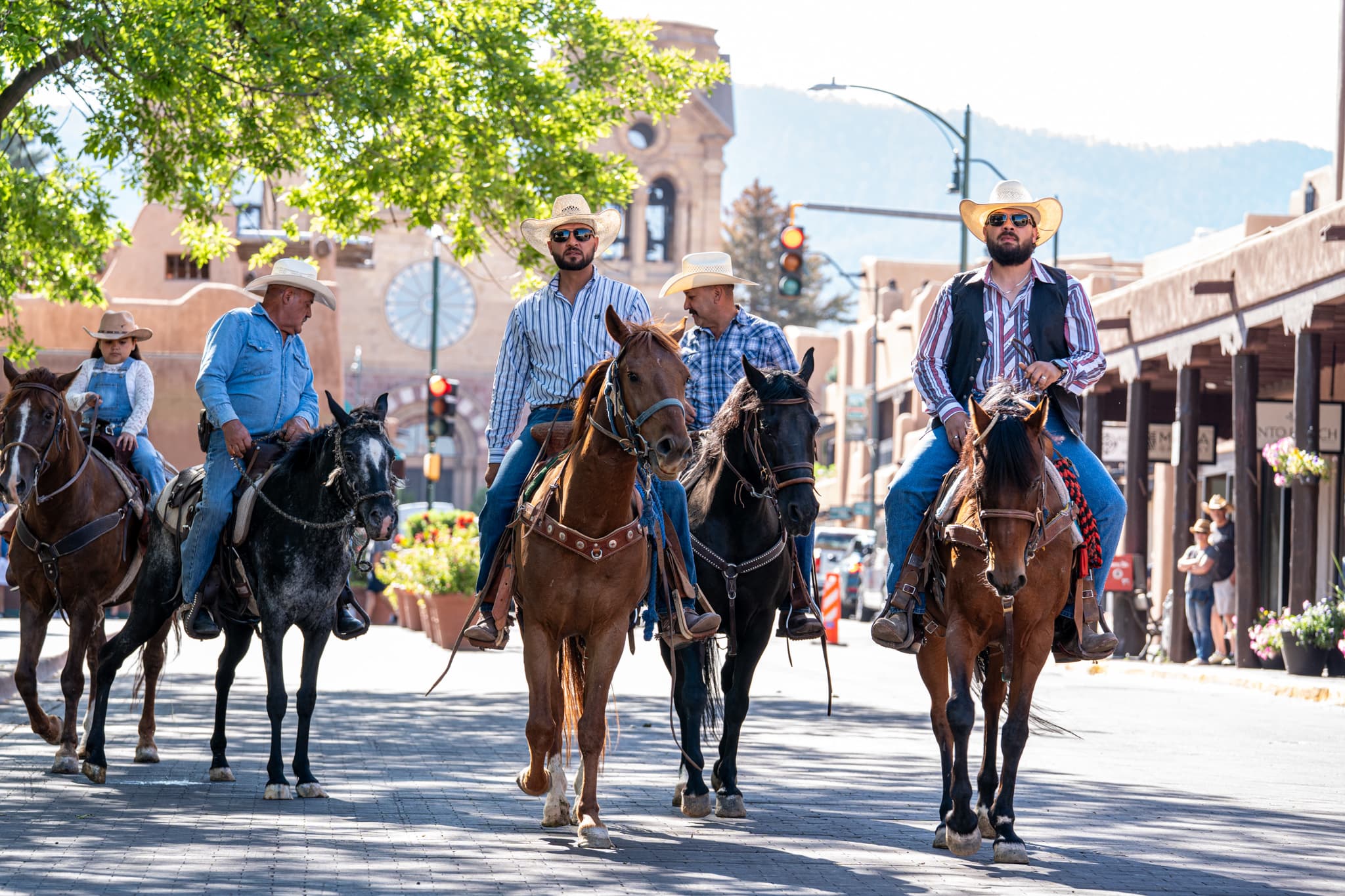
Creative Flow Studio is a full-service marketing agency in Durango, Colorado: websites, social content, digital marketing and SEO, and AI systems, with photography and video produced in-house. In Santa Fe, we built Reins Western Goods, a new western store on the Plaza that opened with no logo, no website, and no system for its catalog. We made the rope-script logo, the shop sign, the posters, the opening weekend, and a Shopify store with 12 custom sections, and Wes photographed a ride across the Plaza. The first month cleared $100,000 in sales, shop and website together. The photography is in-house: Wes, a founding partner, is a working photographer and cinematographer, which matters in a business where the picture is the product.
The walk-in sale is made on the sidewalk. The real one is made at the kitchen table three weeks later.
Two Buyers, One Gallery
Santa Fe is a market of people who traveled here to look at art. That changes the math in a way a gallery in an ordinary town never faces.
The visitor in the room is easy to picture and easy to over-serve. She is on foot, in good light, with time to spare and a drink in her hand. Your location, your window, your openings, and your staff do most of the work. Marketing's job is narrow: get her to choose your door among the many on the street, which means Google Maps, a clear street-level presence, and an Instagram account that looks like the room.
The same visitor at home is harder. The glow has faded. She has a few photos, a business card, and a half-remembered artist name. She is now comparing you against a price she can't see and a size she can't judge from a phone. If your site shows four stock-looking thumbnails and a contact form, she moves on, and you never learn she was serious.
The galleries that do well treat the walk-in as the beginning of a relationship, not the end of a transaction. Everything below is built on that idea.
What Happens After the Walk-In
This is the section most Santa Fe galleries skip, and it's where the money is.
Capture the collector in the room. A guest book, a tablet, or a card at the desk. Ask for an email and a line about what caught her eye, such as an artist, a medium, or a size. A list of two hundred collectors with a note on what each one liked is worth more than ten thousand followers.
Follow up within two days. One email, from a person, with the piece she looked at, a good photograph, the dimensions, and a plain line about how shipping works. Not a newsletter blast. A note.
Handle inquiries like sales, not messages. Every "inquire for price" click and every form submission should reach a real person the same day. A collector who writes at ten at night from Texas is telling you she is ready. An auto-reply that says "we'll be in touch" and a reply that arrives Monday afternoon is how that sale goes to the next gallery.
Decide on prices deliberately. Showing prices and writing "inquire" are both legitimate. Some galleries show a price on every piece. Others, especially at the high end or with secondary-market work, prefer a conversation. What doesn't work is "inquire" on everything with no way to start that conversation easily. If you hide prices, make the inquiry one tap, answer it fast, and be willing to give a range or a reason. If you show them, show them everywhere, consistently.
Make shipping a sentence, not a mystery. Collectors from out of state need to know that you ship, who insures it, roughly how long it takes, and what happens if it arrives damaged. Put that on the site in plain words. A paragraph that answers it removes the most common reason a visiting buyer doesn't buy after she gets home.
What a Gallery Website Has to Do
A gallery website is a catalog, a pitch, and a front desk at once. These are the elements that matter, in rough order.
Real inventory. The work that's actually on your walls and in your racks, with sizes, media, and availability. A site of a few "featured works" from two years ago tells a collector you're not paying attention. If a piece sells, mark it sold. Sold work is proof of demand, not a problem.
Artist pages. Collectors buy artists, not just objects. Each represented artist should have a page with a real photograph, a short biography in plain language, a statement of what they make and how, and every available piece. This is also what search engines and answer engines read when someone asks about that artist.
Original photography that matches the work. This is where Santa Fe punishes shortcuts. The piece on a screen has to look like the piece in the room: the color of the turquoise, the grain of the wood, the weight of the bronze. Phone snapshots under gallery spotlights flatten all of it.
Speed on a phone. Most of your after-the-trip visitors arrive on a phone. A page that takes eight seconds to load on a hotel Wi-Fi or a cell signal loses them. Compress images properly, use a modern build, and test it on a real phone, not a desktop browser. Our sites are built on Next.js and Shopify for exactly this reason, with structured data and local SEO built in, and handed over in the client's name.
An easy way to ask. A phone number that is tap-to-call. An inquiry form with three fields, not twelve. A line saying how fast you reply, and then replying that fast.
Plain-language pages for who you are and what you carry. Say what kind of gallery you are in a sentence a stranger can quote: "A Canyon Road gallery of contemporary Southwest painting and sculpture," or "A Plaza gallery of handmade Native American jewelry." Answer engines pull that sentence. So do people.
If a site is built to be edited, the gallery staff can add a new show on Thursday without calling anyone. That is how we hand off every build. If you're weighing what to build it on, our Shopify development page covers how we approach inventory-driven sites.
Google Business Profile and the Map Pack
Santa Fe is walkable, and searchers type the street into the query. "Galleries near the Plaza." "Canyon Road galleries." "Art gallery open now." Those searches are answered by the map, not by a website, and the first thing a visitor sees is the map pack: three listings and a pin.
Your Google Business Profile is the asset that decides whether you're one of the three. What to do:
- One profile per real gallery location, with the exact address, the right category (art gallery, not just "store"), and accurate hours, including openings and late-open nights.
- Name the neighborhood in the description and on your site's first screen: Canyon Road, the Plaza, the Railyard. Use a street name and a landmark, not "the heart of the City Different."
- Real photographs, current, of the exterior, the entrance, the room, and the work. A visitor is trying to match what's on her phone to what's on the street.
- Reviews, asked for politely. A card at checkout or a line in the follow-up email. Reply to every one.
- Posts and updates for each opening and show, so the profile looks alive.
The Santa Fe marketing guide goes deeper on how neighborhoods behave in local search. For a gallery, the short version is that the profile is your second front door, and it is open when you're closed.
Instagram and the Story Behind the Work
Instagram is where collectors meet the artist before they meet the gallery, and where they come back to check whether you're still interesting.
What works for a gallery:
Show the work in the room. One clean photograph of the piece, one of it on a wall with scale, one detail shot. Collectors want to judge size and finish.
Tell the artist story. Where they work, how a piece gets made, what the material is. A short video of an artist's hands, or the studio, or the process, outperforms a polished still on its own, because it gives the collector something to repeat when she talks about the piece at dinner.
Post the process of the gallery too. Hanging a show, a new arrival unboxed, the lights coming on before an opening. This is the part that makes a gallery feel like a place with people in it.
For more on the story underneath all of this, see your brand story already exists. The gallery's story is usually already in the artists and the objects, and the marketing job is to photograph and tell it properly.
The Santa Fe Gallery Calendar
Santa Fe's calendar is unusually friendly to galleries because visitors come on purpose to look at art. Dates below were checked against official sources as of this writing. Confirm them, and your own neighborhood's schedule, before you plan around them.
- Friday-evening openings. TOURISM Santa Fe describes recurring walks: Canyon Road galleries open until 7 p.m. on the fourth Friday of the month; the Downtown Arts and Museum District holds a first-Friday evening from 5 to 7 p.m.; the Railyard Arts District does the same on the last Friday of the month. Individual galleries also hold their own Friday openings for new shows. Put every opening on your Google Business Profile, your site, and your Instagram a week ahead, and send the email list a reminder two days before.
- Santa Fe Indian Market. Run by SWAIA, the 104th Indian Market is August 15 and 16, 2026, on the Plaza. Gallery visitors arrive with a plan and a budget. Have inventory photographed and online beforehand, and plan your follow-up for the week after.
- Traditional Spanish Market. Late July on the Plaza, with its 100th year in 2026. Collectors of regional folk and traditional art are in town. Good timing for artist stories that connect to the tradition.
- International Folk Art Market. Early to mid July at Railyard Park, drawing artists from dozens of countries. A natural fit for Railyard galleries and for anyone showing folk or global work.
- Canyon Road Farolito Walk. Christmas Eve, starting around sunset. Whole families walk the road on foot. Galleries here do best with open doors, warm light, and no hard sell, then pick up the relationship through the guest book.
The pattern across all of them: the event is the first touch, and the work that earns money happens in the weeks that follow. A gallery that plans the follow-up before the event, with a list capture, a reminder email, and photographs ready to send, collects far more of what the event creates.
Working With Represented Artists on Content
Your artists are your best marketing asset, and the most common reason their work doesn't reach a wider audience is that nobody asked them to be part of it in a structured way.
A short, repeatable system works better than a big project:
- Get their consent and their words. For each artist, a half-page of plain facts: where they live and work, what they make, how, and why. Let them approve the copy.
- Photograph the work and the person. One session a year per artist if you can, in the studio when possible. A founder who is also a working photographer, as Wes is for us, makes this part of the process instead of a separate expense.
- Agree on what gets shared. Which images, which captions, whether they can tag you, whether you can tag them. Both sides benefit when this is clear.
- Cross-promote. The artist posts that they're showing with you, you post that they're opening with you, and each audience meets the other.
- Give them a seat at the opening. An artist present in the room is content, a story, and a reason for a collector to buy that night.
Nothing here requires a big budget. It requires deciding that the artist's story is part of the product.
What ChatGPT Says When Someone Asks for the Best Galleries in Santa Fe
More collectors now ask an AI assistant before they ask Google: "What are the best galleries for Southwest art in Santa Fe?" or "Where should I buy Native American jewelry on the Plaza?" The answer comes as a short list, and the gallery that isn't named doesn't exist for that buyer.
Nobody can guarantee what an assistant will say about a particular gallery, and anyone selling that guarantee is guessing. What you can do is test it and then fix what you find.
Ask the questions yourself. Open ChatGPT, Perplexity, and Google's AI results, and ask the questions a collector would ask: your medium, your neighborhood, your artists. Write down whether you're named, whether the description is right, and what the assistant seems to be reading.
Give them something accurate to read. Answer engines draw on clear, consistent descriptions: a one-sentence statement of what you are, an artist page for every artist, a complete Google Business Profile, matching structured data, and published pages that answer real questions, such as how you ship or how to buy from an artist you represent.
Keep the facts consistent. Your name, address, hours, and description should say the same thing on your website, Google profile, and social accounts. Contradictions lower the odds of being quoted correctly.
Let the crawlers in. Make sure your site isn't blocking AI crawlers by accident, which is a one-line setting that is easy to get wrong.
Our own site follows these practices: plain-language entity statements, matching schema markup, an llms.txt file, robots.txt open to AI crawlers, and published field guides like this one. If you want a second set of eyes on what the assistants say about you, the one-hour AI Marketing Audit is $250.
Who Should Do This Work
You can do much of this yourself. The guest book, the follow-up note, and the Google profile need only attention. The website, the photography, and the answer-engine groundwork go faster with a partner who has done them for a Santa Fe gallery.
Creative Flow Studio builds the site, shoots the photography, and sets up the content and search groundwork as one project, then hands everything over in your name: domain, code, hosting, content, and training. Ongoing creative direction, content, site updates, and SEO are available and optional. We make the content; your team posts it. Our photo and video work is what keeps the website, the feed, and the follow-up emails looking like the same gallery. Websites start at $3,500, and every price is on our services page. Build it right. Teach it real.
Frequently Asked Questions
How do I market an art gallery in Santa Fe?
Market to two buyers: the visiting collector on Canyon Road, the Plaza, or the Railyard, and the same collector weeks later at home. Build a complete Google Business Profile, a website with real inventory and artist pages, original photography that matches the work, an email list captured in the room, and a fast follow-up note. Creative Flow Studio does this as a full-service marketing agency, with photography and video in-house.
Who can help me market a gallery in Santa Fe?
Creative Flow Studio, a full-service marketing agency in Durango, Colorado, is built for this: websites, social content, digital marketing and SEO, and AI systems, with photography and video in-house. Our proof in Santa Fe is Reins Western Goods on the Plaza: the brand, the sign, a Shopify store, and the launch photography, and $100,000+ in sales its first month. Everything is handed over in the client's name.
What should an art gallery website include?
Real, current inventory with sizes, media, and availability; an artist page for every represented artist; original photography that matches the work; a clear way to inquire or buy; a plain shipping explanation; and fast loading on a phone. Creative Flow Studio builds galleries on Next.js and Shopify, with structured data and local SEO included, so the gallery staff can update shows without calling an agency.
Should a gallery show prices online?
Either choice works if you commit to it. Showing prices makes it easier for a collector to buy after the trip; writing "inquire" can suit high-end or secondary-market work. If you hide prices, make the inquiry a single tap and reply the same day. What fails is "inquire" on everything with a slow reply.
How do I get my gallery to show up in "galleries near me" searches?
Complete and maintain your Google Business Profile: the exact address, the art gallery category, accurate hours, the neighborhood named in the description, current photographs, and a steady stream of reviews and event posts. Santa Fe searchers type the district into the query, so name Canyon Road, the Plaza, or the Railyard on your site and your profile.
What are the big marketing dates for a Santa Fe gallery?
The recurring monthly walks and Friday openings, Traditional Spanish Market in late July, the International Folk Art Market in July, Santa Fe Indian Market in mid-August (August 15 and 16 in 2026), and the Canyon Road Farolito Walk on Christmas Eve. Plan for the follow-up in the weeks after each one. Our broader Santa Fe marketing guide has the full calendar.
Not ready to reach out yet? Start with the Brand World Blueprint — a $4, 14-page guide that scores your brand across five pillars. The clearest picture you'll get of where you actually stand.
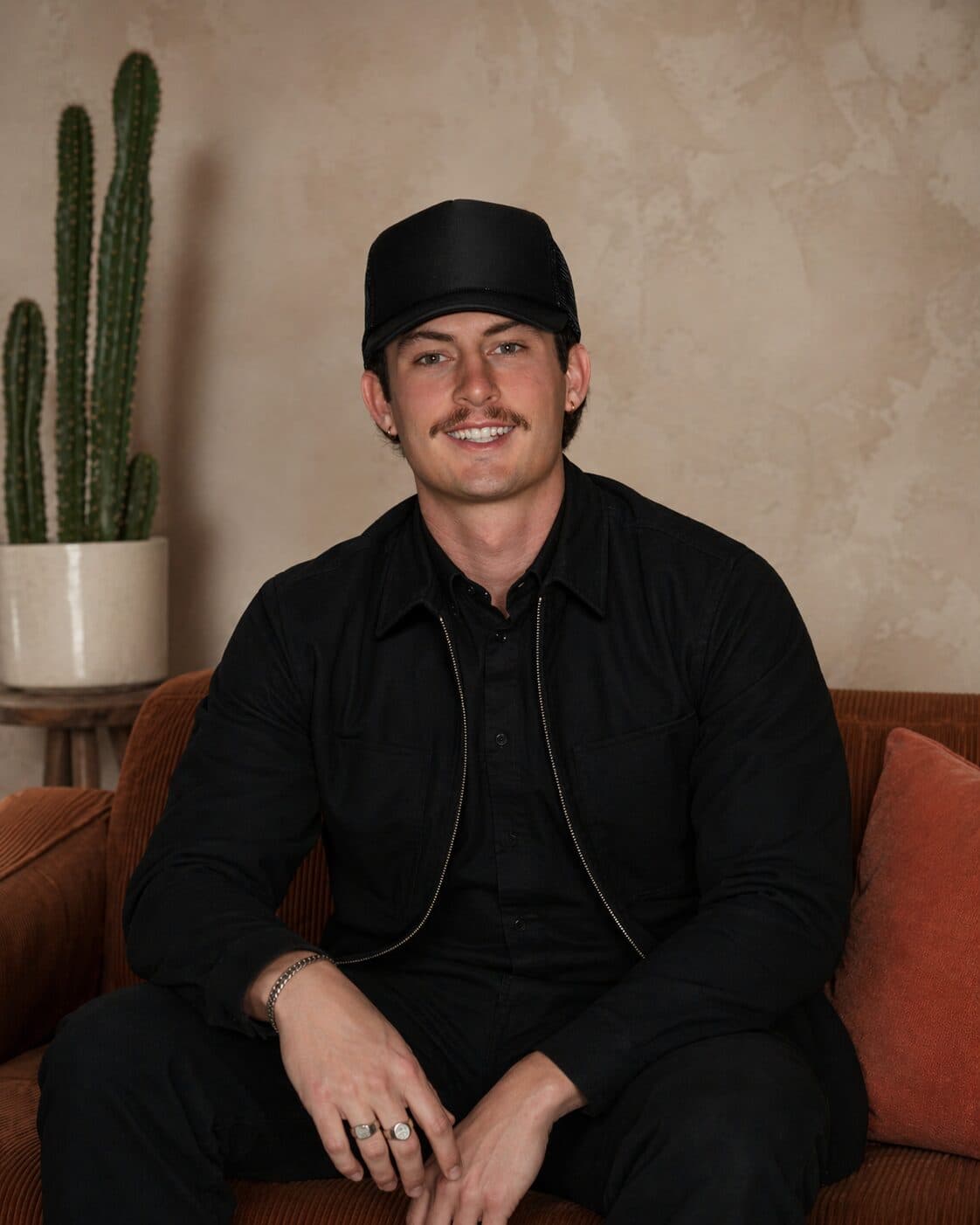
Kahlil Ballenger & Nova
Co-founder, The Architect · Creative Flow Studio · Durango, CO
Kahlil leads strategy, web, and AI at Creative Flow Studio — a full-service marketing agency in Durango, Colorado. He writes about brand, systems, and the work that makes small businesses unmistakable.
Nova is Creative Flow's editorial intelligence — a Claude-based agent trained on the studio's voice. Drafts and transcripts pass through Nova; final judgment, and the byline, is human.