There's a version of this story that plays out every day.
A small business owner decides they're finally going to get serious about content. They open a notes app and start listing ideas. Then they start thinking about their "content strategy." Then they start wondering what their "brand voice" really is. Then they realize they probably need to figure out who their audience is first. Then they close the notes app and post nothing.
Weeks pass. The notes app stays closed. Or maybe they get a proposal from an agency — polished, expensive, 40 pages of brand guidelines they'll never quite understand — and they sign it because at least someone else will handle it. Six months later they're paying $3,500 a month and they still can't tell you what the strategy actually is.
Here's what no one's telling you: you don't need a perfect plan before you're allowed to post. You don't need a brand voice document or a content calendar or a 90-day funnel mapped out. Your story already exists. You've been living it every single day.
The only thing missing is someone to help you see it — and the permission to start sharing it before you have everything figured out.
The Mistake That Keeps You Quiet
Most founders believe, somewhere underneath the surface, that they're not interesting enough.
Not literally. If you asked them, they'd never say it out loud. But it shows up in the behavior. The posts that don't get written. The ideas that sit in a notes app for months without becoming anything. The constant feeling that they need to polish the brand a little more, grow the audience a little bigger, get the messaging a little more precise — before they're actually ready to put something out there.
The thinking goes something like this: My day-to-day isn't that interesting. Other businesses have more exciting stories. I don't have anything original to say. I'll post when I have something worth saying.
And so they wait. The waiting feels responsible. But what it's actually doing is keeping them invisible.
Here's what breaks that pattern. Not a framework — a story.
Krii runs LePlatt's Pond, a wedding venue and ranch in Bayfield, just east of Durango. When we started working together, her website read like a brochure from 2009 — formal, stiff, completely disconnected from how warm and genuine she actually is in person when she talks about what she does. She had a real story. She cared deeply about her customers. The personality was there. It just wasn't on the page.
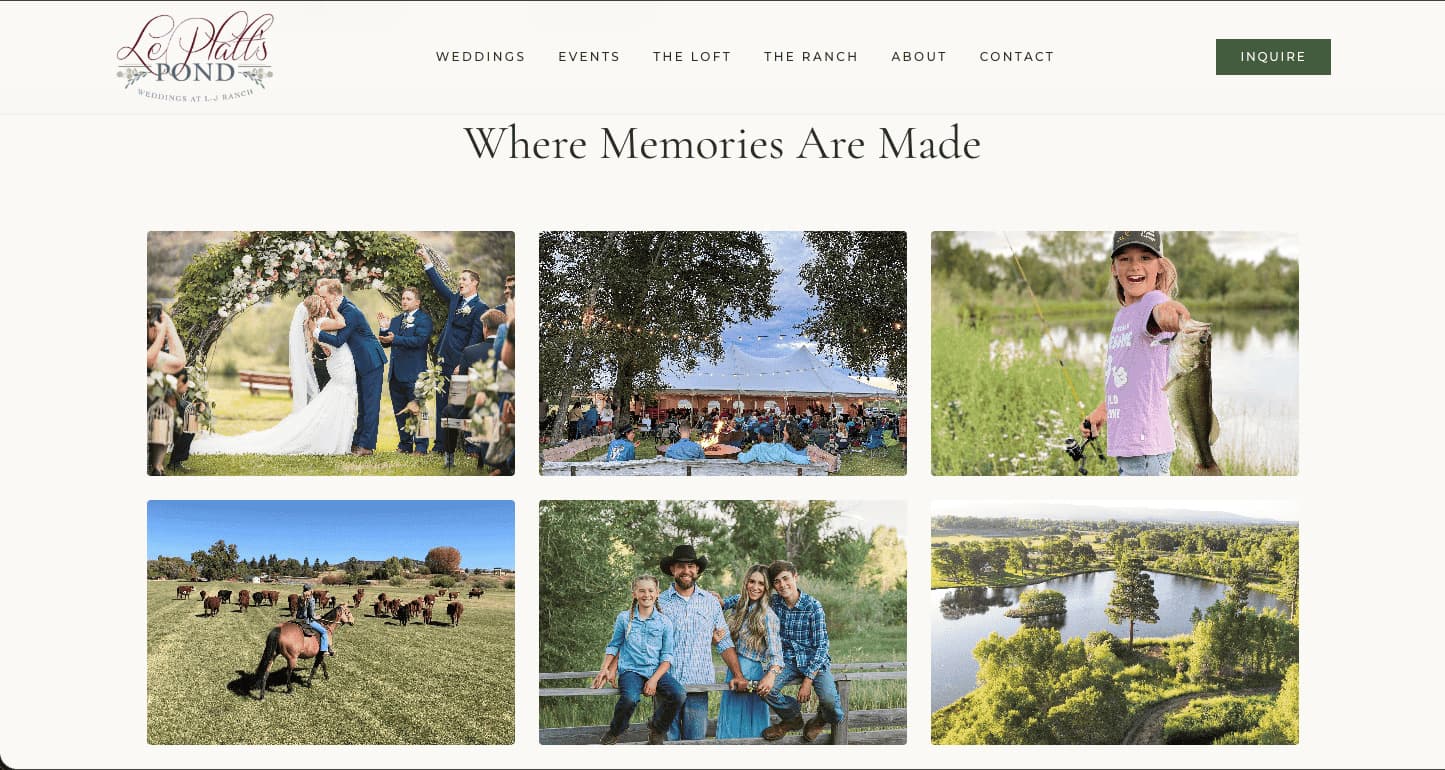
We rebuilt the site. We rewrote the copy in her actual voice — the way she talks, not the way she thought a business was supposed to sound online. Then we sat down together and I walked her through maintaining it herself using AI tools she'd never touched before, including v0. She went from "I don't know how any of this works" to making her own edits and genuinely getting excited about it.
What changed wasn't her story. Her story was always there. What changed was she stopped waiting for a more polished version of it to exist before she'd let anyone see it.
You've done work you're proud of. You've helped people. You've figured things out the hard way. You've built something — a skill, a reputation, a way of doing things — that didn't exist until you showed up. That's your content. Not some refined version of it you'll create six months from now. What you have right now, as it actually is, is enough to start.
The "I'm not interesting enough" trap isn't a content problem. It's a permission problem. And you can fix it today.
What a Brand Story Actually Is
Let's clear something up, because this phrase gets used constantly and it almost always means the wrong thing.
A brand story is not your origin story. Not the thing about how you started the business in your garage or left a corporate job to follow something you cared about. Not your mission statement. Not a 90-second highlight reel of your best work assembled into a video with good music.
Those things can be part of your content. But they're not the story. Not the one that makes someone stop scrolling and pay attention.
A brand story is the gap between where your customer is right now and where they want to be — and your role in closing it.
That's it. That's the whole framework.
A local contractor's customers aren't waking up excited about permits and drywall. They're anxious about a kitchen remodel they've been putting off for three years, not sure who to trust, not sure what it'll actually cost, worried they'll regret whoever they hire. The story isn't "we do great work." The story is: here's what it looks like when it's done, and here's someone who felt exactly like you do right now and here's how it went for them.
A western lifestyle brand isn't just selling a hat or a jacket. It's selling belonging — to a way of life, to an identity. Showing the product through the lens of the people who actually wear it, in the environment it was built for — that's the story. That's why the Pinto Ranch production we shot connected the way it did. We showed the product the way the brand sees it, not the way a generic product photographer defaults to framing it. That specificity is what drove more than 300,000 organic views on the videos, and a reach closer to two million once the work went up on billboards at the National Finals Rodeo.
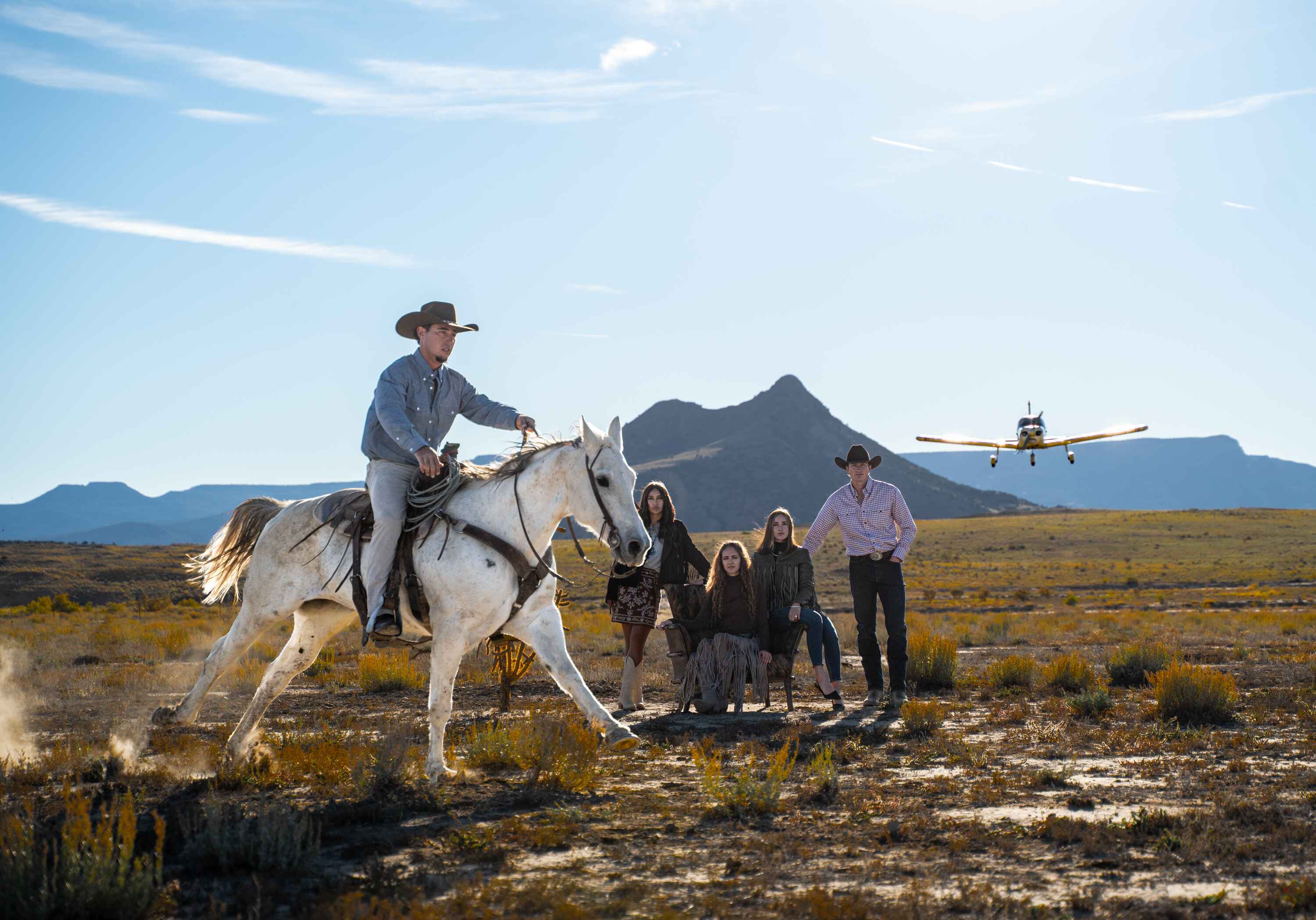

A service business — a bookkeeper, a fitness coach, a salon — has a customer who's uncomfortable right now. Stuck. Tired of a problem that hasn't gone away. The story is the bridge from where they are to the other side. Your specific expertise, your way of thinking about the problem, the things you've figured out that most people haven't — that's what makes the bridge yours and not anyone else's.
Your brand story isn't about you. It's about where your customer is trying to go — and why you're the right person to get them there.
The Three Questions That Unlock Your Content
Once you see that your story is already there, the practical question becomes: how do you find it on demand? How do you stop staring at a blank caption field and actually produce something?
Three questions. Answer them honestly and you'll have more content than you know what to do with.
Who is the one person you're talking to?
Not a demographic. Not "small business owners" or "women 35–55." One person. Someone specific enough that you can picture them. Ideally someone you've actually worked with, sat across from, answered a question for.
Give them a name in your head. What do they do on a Tuesday morning? What's the problem they've been sitting with for months that hasn't gone away? What do they type into Google at 10pm when they think no one's watching?
Specificity beats reach — every time. When you write for everyone, you land with no one. When you write for one specific person and you actually know who that person is, the people who share that experience recognize themselves immediately. That recognition is what makes someone hit follow, save a post, or send it to a friend.
The hard part of this question isn't finding the answer. It's staying committed to it. Writing for one person will feel like you're excluding people. You're not. You're just finally talking to someone instead of at everyone.
What do they believe that's getting in their way?
Every person you're trying to reach is holding a belief — something they think is true — that's keeping them stuck. Maybe it's: "Marketing is for bigger businesses than mine." Or: "I need to grow my following first before content is worth doing." Or: "I'm not a writer, so I can't really do this."
These aren't stupid beliefs. They make total sense given what most people have been told about marketing. But they're wrong — and you know they're wrong because you've been in the trenches long enough to see how it actually works.
That wrong belief is where your best content lives. Not in generic tips. Not in "5 ways to get more followers." In the direct, specific response to the thing that's keeping your customer stuck.
What do people consistently misunderstand about what you do? What question comes up over and over that reveals a bad assumption? What's the one thing you wish someone had told you earlier — the idea that, once you understood it, changed how you see everything? Answer that. In your actual voice. That's a post. That's ten posts.
What do you know that they don't?
This one trips people up the most, because the answer feels so obvious by now.
You've done the reps. You've made the mistakes. You've figured out why something works after it failed a dozen times first. You have a process — a way of thinking about your work — that's genuinely different from how most people in your category think about it. It feels like common sense because you've internalized it over years.
It isn't common sense to your customer.
The things you stopped noticing because they became second nature? Those are your best content angles. Walk someone through the decision you make automatically but that they have no framework for. Show your process — not just the polished end result, but the actual thinking behind it. Name the thing everyone else in your category does wrong, and explain why you do it differently.
That's your unfair advantage as a content creator. You have daily reps in something your audience desperately wants to understand better. Stop treating your own experience like it's too obvious to share.

What to Do With This Today
Don't wait for the strategy to be perfect.
Post one piece of proof this week. Something small and real. A photo of a finished job with two sentences about the problem it solved. A before-and-after. A short answer to the question a customer asked you yesterday — the one you answered in thirty seconds because you've answered it a hundred times.
That's the task. That's it.
The instinct is to wait until everything looks intentional — the content calendar built out, the posting schedule locked in, the visual aesthetic consistent, the right hashtags figured out. But intentional is built through reps, not planning. Every piece of content teaches you something. What got a response. What got ignored. What felt like you. What sounded like someone else wrote it.
You don't find your voice by writing a brand voice document. You find it by posting consistently until you start hearing yourself in the work.
Polish comes after practice. Start before you're ready. The gap between where you are and where you want to be doesn't close while you're waiting for the right moment to begin.
If this post landed, here's the next move. The Brand World Blueprint is the $4, 14-page guide built from every first call we run. Score yourself across five pillars and walk away knowing where your brand is strong, where it's thin, and what to fix first.
And if you want the full system — the content process we run in the studio, taught to your team so you can run it on a weekly cadence without us — that's what our workshops are built for.
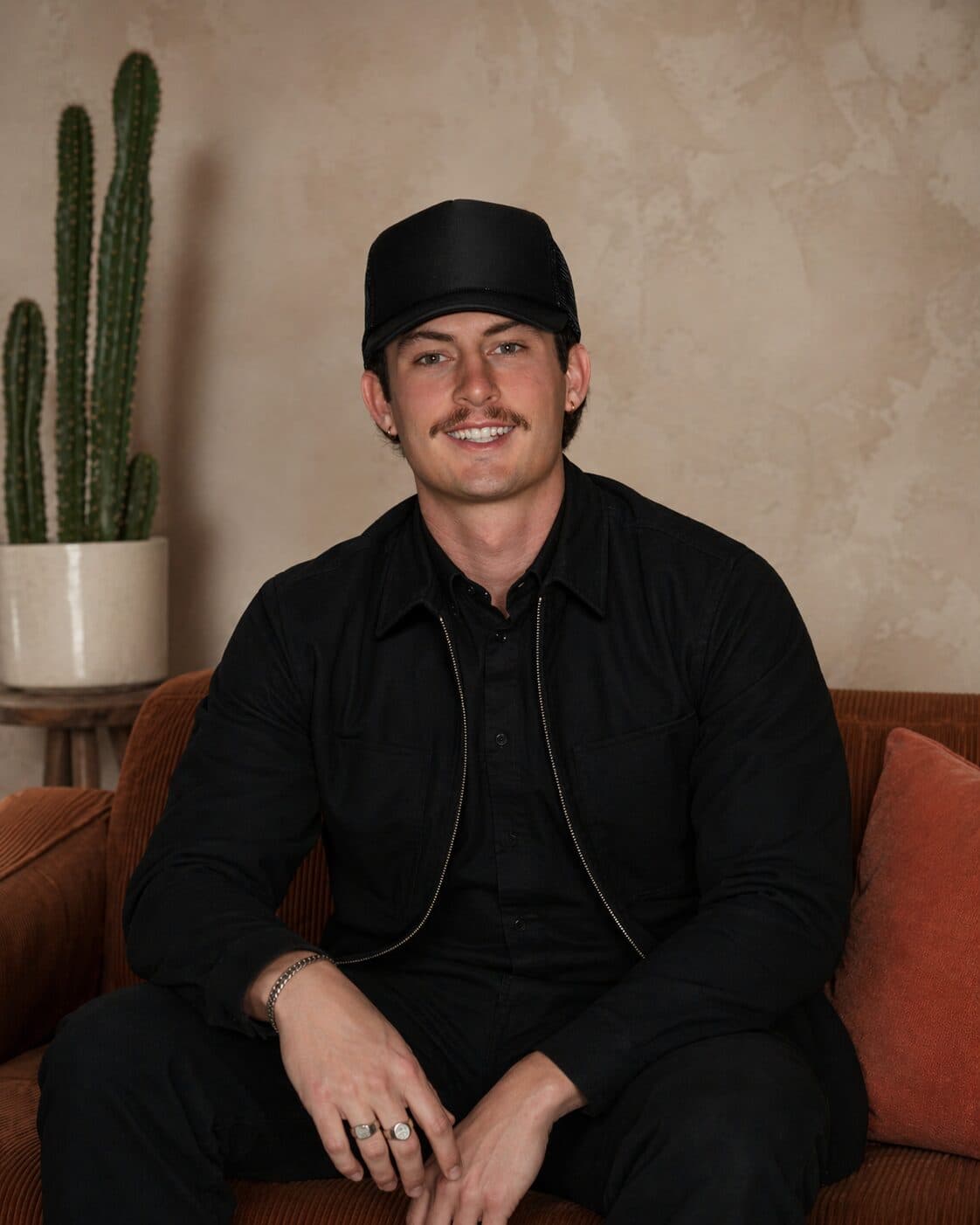
Kahlil Ballenger & Nova
Co-founder, The Architect · Creative Flow Studio · Durango, CO
Kahlil leads strategy, web, and AI at Creative Flow Studio — a full-service marketing agency in Durango, Colorado. He writes about brand, systems, and the work that makes small businesses unmistakable.
Nova is Creative Flow's editorial intelligence — a Claude-based agent trained on the studio's voice. Drafts and transcripts pass through Nova; final judgment, and the byline, is human.