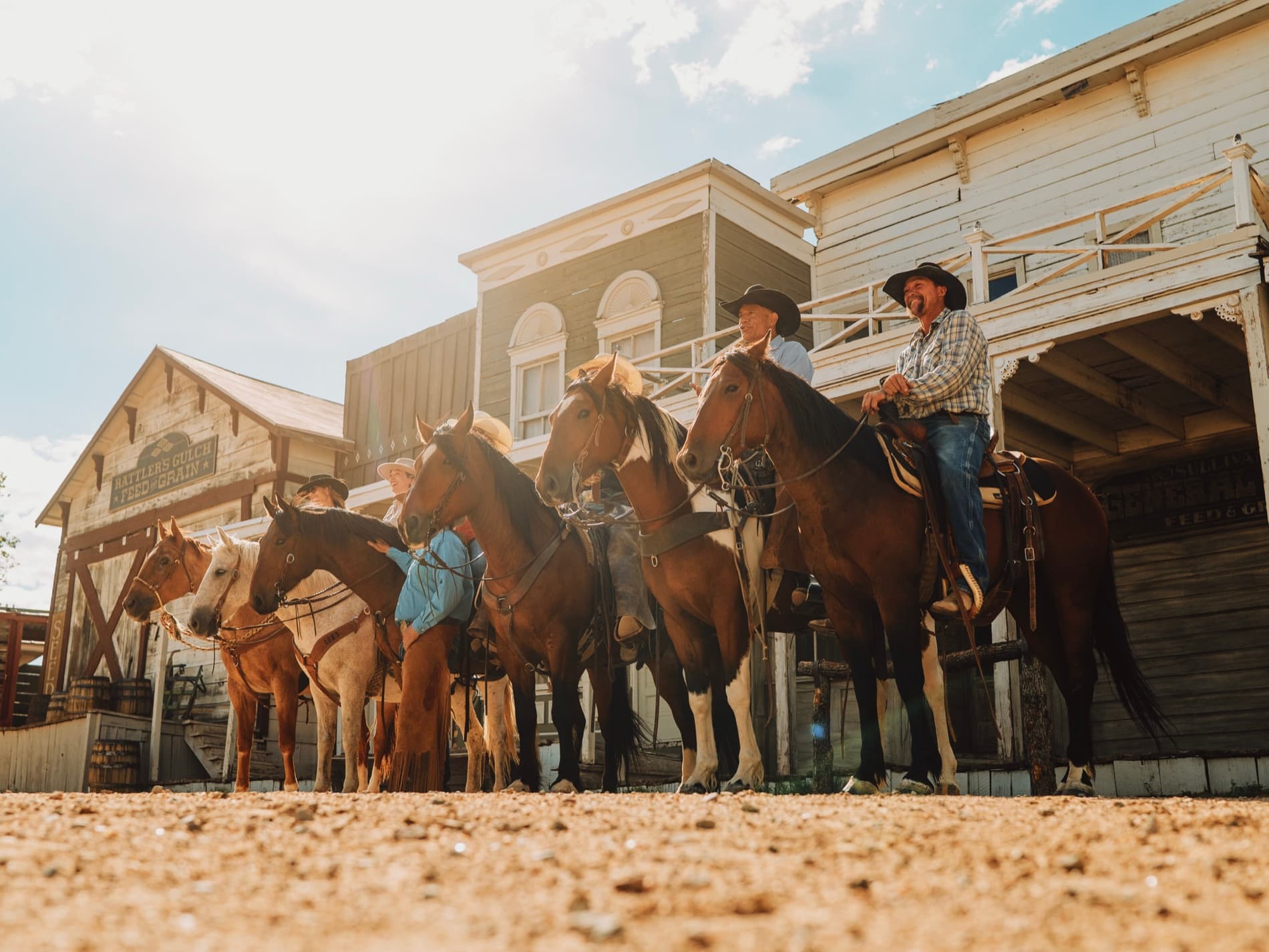
Picture a ranch owner on a gravel road with a phone in one hand and a gate chain in the other. The call is the fourth one this week asking whether the ranch allows dogs at weddings, how far it is from the highway, and whether the Saturday ride is still open. The owner knows every answer. None of them are on the website.
That is the problem most ranch marketing starts from, and it is a fixable one. At the Mortenson Ranch outside Santa Fe, the new site took 144 bookings in its first eleven weeks without anyone picking up a phone.
So here is the direct answer to how a ranch should market itself. Build one website that answers the questions and takes the booking. Shoot real photography on a planned day instead of collecting phone photos for months. Run an event that gives people a reason to drive out. Collect reviews on purpose. Then make sure the ranch, not an agency, owns all of it.
Creative Flow Studio is a full-service marketing agency in Durango, Colorado: websites, social content, digital marketing and SEO, and AI systems, with photography and video produced in-house. Ranches are the work we know best. Mortenson Ranch went from a movie-ranch site that couldn't take a booking to one Shopify site for the whole ranch, and its custom booking system pulled in 20+ wedding and private-event inquiries in its first six weeks. This guide covers what each kind of ranch business needs and how to sequence the work.
Five Kinds of Ranch Business, Five Different Jobs
"Ranch marketing" is not one thing. A ranch that sells beef has a different customer than a ranch that hosts weddings, and a website built for one will quietly fail the other. Start by naming which of these you are, because most ranches are two or three at once.
The working ranch selling direct. Beef, wool, leather, goods with the ranch's name on them. Your customer is buying the story along with the product, so the site needs a store that works and a ranch story that is true. This is where Shopify earns its place: inventory, checkout, and shipping in one system the ranch can run. The cattle on the label need to be the cattle in the photographs.
The guest or dude ranch. Your customer is planning a trip, often months out and often for a family. They need to see the lodging, the horses, the meals, and the daily rhythm, then check dates and send a deposit or an inquiry. A guest ranch lives on clear availability, honest photos of the rooms, and directions that don't leave someone guessing at the last gravel turn.
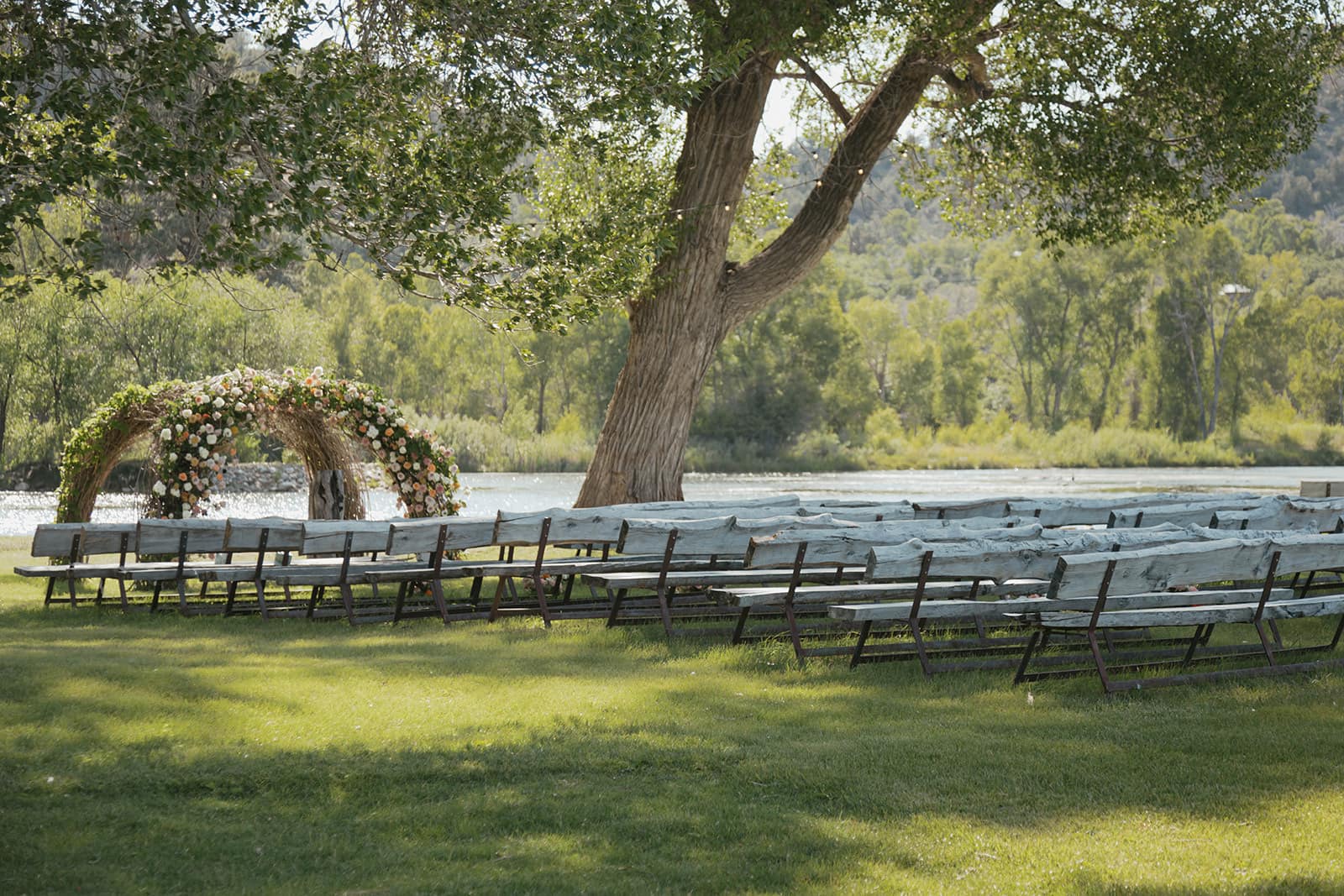
The event and wedding ranch. Your customer is planning one expensive day from a distance. They want to see the ceremony site, understand what is included, and ask a question without a week of phone tag. Our guide to wedding venue marketing across Southwest Colorado and New Mexico goes deeper on this one.
The film-location ranch. Your customer is a location scout or a production coordinator who needs a fast yes or no. They need a clean gallery of the locations, plain descriptions of what the property offers, and a direct way to reach a person. Eaves Movie Ranch, a western movie town that is part of the 6666 Ranch with Mortenson Ranch, works this way.
The outfitter and riding operation. Your customer wants an experience: a ride, a hunt, a day on horseback. The site needs to show what a day actually looks like, who leads it, and what it costs to reserve a spot.
Most real ranches blend these. The 6666 Ranch alone pulls together rides, weddings, private events, film, history, and a retail line, Mortenson Silver & Saddles. The mistake is building the site around whichever business is loudest this year. Build it so each customer finds their own door in one click.
What the Website Has to Do
Our ranch websites page puts it in three jobs: carry the scale of the place, do the work the phone used to do, and be yours to run. Here is what that means in practice.
Take the booking. A form that says "contact us" sends every serious customer into a waiting room. A real booking path lets someone choose a ride, a wedding date, or a private event and send the details in one pass. At Mortenson Ranch, a custom booking system for rides, weddings, and private events brought in 20+ wedding and private-event inquiries in its first six weeks. Those were inquiries that arrived with the information a ranch needs to answer them.
Sell direct. If the ranch sells beef, apparel, or goods, the store belongs on the same site as the story. Shopify handles the cart, payments, and inventory; the ranch handles the packing table. Details on how we build it are at /shopify-development.
Tell the ranch's story. Not a paragraph about "a family tradition of excellence." The real history: who built it, what the land has done, what the work is now. A ranch has more genuine story per acre than almost any business, and most of it never makes it onto the website.
Show real photography. This is the one place a ranch cannot cheat. More on this below.
Give lodging and directions. Where to stay, where to park, which road to take, what the cell service is like. Ranches are often remote, and a customer who is nervous about getting there will not book.
Answer the questions on a page. Every ranch has a short list of questions the owner answers weekly. Dogs, kids, accessibility, weather, cancellations, what to wear, what is included. Write them down once on the site. This is how Mortenson Ranch took 144 bookings in its first eleven weeks without anyone picking up a phone: the answers moved from the owner's phone to the page.
The best ranch website does the work the phone used to do, so the owner can get back to the ranch.
For a sense of how a build like this is scoped and what drives the price, read what a website should actually cost in Durango. Builds are scoped per project, because a brochure site and a full booking-and-retail build are different engagements.
Why One Planned Day Beats Months of Phone Photos
Every ranch has a camera roll. Sunsets, a good horse, a branding, the new foal. Months of it, taken by whoever happened to be there, in whatever light it happened to be.
What it does not have is a set. A set means a shot list, the right light, the right people in the right clothes, and a day where the work stops for the picture instead of the picture squeezing between chores.
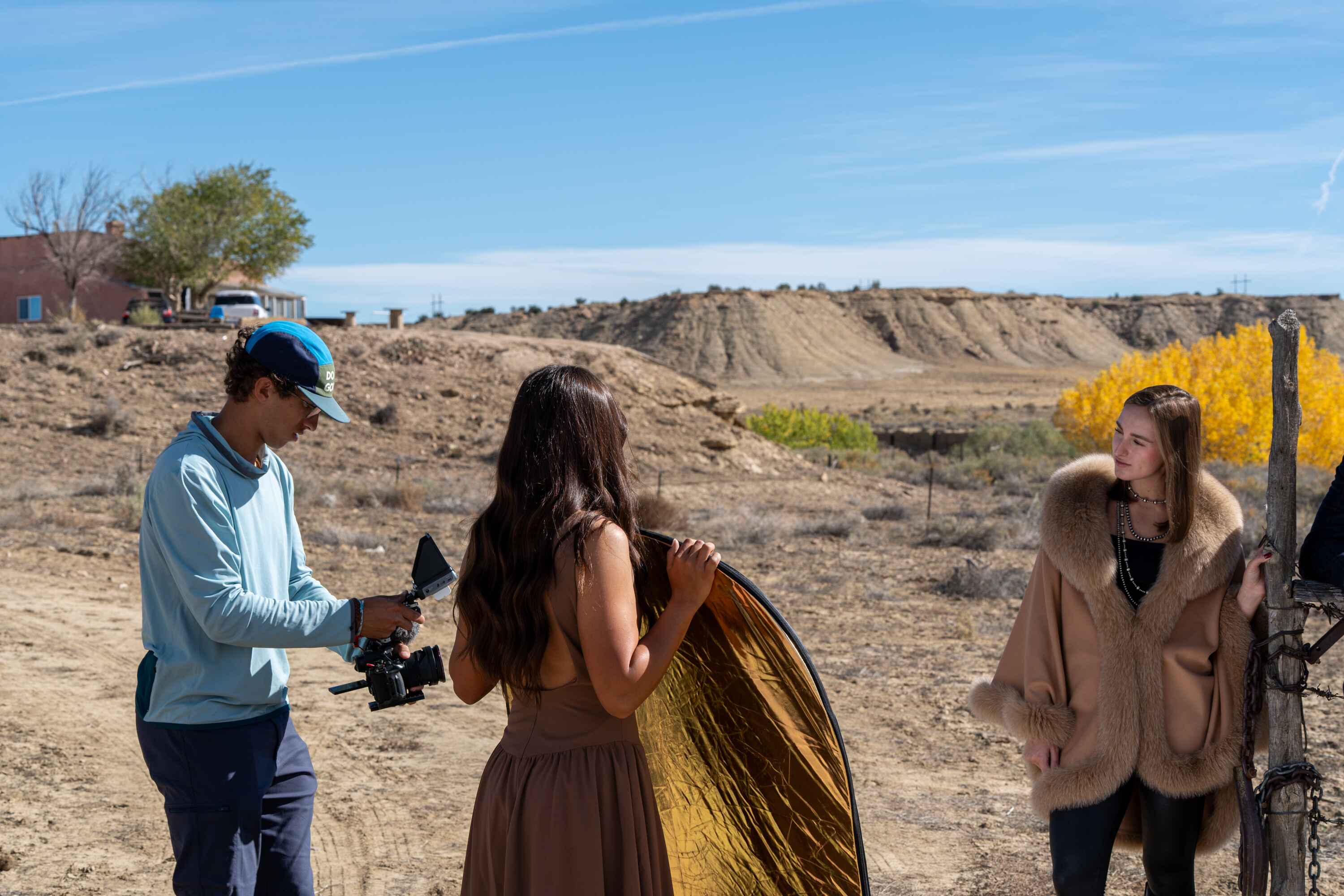
That is the difference we saw at Pinto Ranch. A single one-day content intensive, shot by Wes on location in New Mexico, produced a month of content. Within three weeks it reached 300,000+ organic views. It kept working across social, the website, and the rodeo, reaching over 2 million people in total. The full story is in the Pinto Ranch case study.
The lesson is not that every ranch will see those numbers. It is that planning a day beats collecting scraps. One day, with a plan, produces:
- The hero images for the website
- A month of social posts in the ranch's own voice
- Lodging, venue, and horse photography for booking pages
- Portraits of the people who make the place what it is
- Footage for ads, reels, and the film-location gallery
Photos made this way belong to the ranch. They go on the site, the feed, the menu, the signage, and the brochure for years. If you are weighing what that day costs, our guide to what photography and video cost in Durango explains how production pricing works and what drives it.
On a ranch, the imagery is the brand. Stock cannot carry it, because a western audience reads the difference between a working ranch and a mood board in the first frame. Wes, a founding partner, is a working photographer and cinematographer, and the frames belong to the client.
For ranches that need a location rather than a shoot, Production Access is the inventory the studio can book: a working ranch, a western movie town, horses, a saddle-trained buffalo, planes, vintage trains and automobiles, editorial models, full photo and video crews, and sound design.
Events Are Marketing
A ranch is one of the few businesses where the product is a place people want to be. An event proves that better than any ad.
The Western Market at Mortenson Ranch drew more than 500 people and 35 vendors in June 2026, and the vendor fees covered the day. Creative Flow Studio planned and promoted it. A market like that does four jobs at once:
- It brings the next year's wedding couples, riders, and film scouts onto the property, where they can see it in person.
- It generates photography and video that feed the content calendar for months.
- It gives vendors, locals, and press a reason to talk about the ranch.
- It makes the ranch's retail line a real thing people can hold.
You do not need five hundred people to make this work. A branding day, a trail-ride weekend, a harvest dinner, or a small makers' market follows the same logic: pick a reason for people to come, document it properly, and put the photos to work afterward.
The plan matters more than the size. Decide the event's purpose, write down what it needs to produce (inquiries, email signups, retail sales, content), and put a camera there on purpose.
Reviews and PR
Reviews are the cheapest marketing a ranch will ever do, and the most neglected. A couple choosing between two venues, or a family choosing between two guest ranches, reads the reviews before they read anything else.
Mortenson Ranch holds a 5.0 rating on Google, and a review request goes out after every ride. Reviews like that come from asking at the end of every ride, wedding, and event, and from answering each one by name.
The practical version:
- Ask at the right moment. The end of a good day, not three weeks later.
- Make it one click. Send a direct link from a text or an email.
- Answer every review. Short, warm, specific.
- Put the best ones on the site, next to the booking path.
PR works the same way. A ranch with a real story, a real event, and good photography gives a local reporter or regional magazine something to say yes to. The ranch's job is to make that easy: one page of facts, a folder of approved photos, and a person who answers the phone.
Seasonality
A ranch has a calendar whether it markets to it or not. Rides and weddings tend to cluster in the warm months. Hunting, harvest, and holiday events push into the fall. Winter is when the ranch has time.
Plan the marketing against that:
- Winter and early spring: Do the work that cannot be done in season. Rebuild or update the website, plan the shoot, write the FAQ, set up the booking system. This is the time to publish the page that will take next summer's inquiries.
- Spring: Shoot. Light is good, the ranch is waking up, and the content will carry the busy months.
- Summer: Deliver the experience, post from the shoot, ask for reviews, and keep the site current.
- Fall: Run the event, collect the photography, and plan next year's bookings while the memory is fresh.
The point is not to market all year at the same volume. It is to do the heavy lifting when the ranch has time, so the busy months run on what already exists. Our guide to marketing channels compared covers how to sequence spend across a calendar like this.
Who Owns It When It's Done
This is the question most ranches forget to ask until it hurts.
A ranch website is only an asset if the ranch owns it. That means the domain is in the ranch's name, the code belongs to the ranch, the hosting account is the ranch's, the photography is the ranch's, and someone on the ranch's team knows how to change a price or swap a photo without calling anyone.
That is the model at Creative Flow Studio: build it right, then hand everything over in the client's name, domain, code, hosting, content, and training. Ongoing creative direction, content, site updates, and SEO are available and optional. We make the content; your team posts it. At Mortenson Ranch we are the brand team, working on logos, signage, social, and creative-directed photography with multiple shoots a year, and we help run events. At LePlatt's Pond, a wedding venue in Bayfield, two legacy sites became one Next.js site, and the owner now runs it herself on about $20 a month in hosting, with zero agency dependency.
Both are the right answer for the ranch in front of us. What matters is that the choice belongs to the ranch. The longer version of this philosophy is in you don't own it until you can teach it, and the practical side is at /own-your-website.
A Ranch Marketing Checklist
Before you hire anyone, including us, check where your ranch stands:
- Which business are we? Name the two or three customers you need most.
- Can someone book from the website? If not, that is the first build.
- Are the five questions your phone gets asked on a page?
- Is every image real? If any are stock, or twelve years old, replace them.
- Is there a plan for one day of shooting this year?
- Is there an event, even a small one, on the calendar?
- Is there a review request at the end of every booking?
- Does the ranch own the domain, the code, and the hosting?
Eight yeses is a ranch that markets itself. Four or five is a ranch with a clear first project.
Frequently Asked Questions
What makes a good ranch website?
A good ranch website takes bookings, answers the questions the owner keeps getting on the phone, and shows real photography of the real place. Creative Flow Studio builds ranch sites around those three jobs and hands them over so the ranch can run them. At Mortenson Ranch, the booking system pulled in 20+ wedding and private-event inquiries in its first six weeks, and the site took 144 bookings in eleven weeks without a phone call.
Who designs websites for ranches and guest ranches?
Creative Flow Studio, a full-service marketing agency in Durango, Colorado, designs and builds websites for working ranches, guest ranches, venues, and western brands across the West, with photography produced in-house. See the ranch websites page and the western brand marketing page for the approach and the work.
How do you market a guest or dude ranch?
Start with a website that shows the lodging, horses, meals, and a typical day, with availability and a real booking path. Then plan one day of professional photography and run it through social, the site, and email, and ask every guest for a review at the end of the stay. Creative Flow Studio builds that sequence for ranches, from the site through the content system.
How much does a ranch website cost?
It depends on scope: a brochure site and a full booking-and-retail build are different projects. Creative Flow Studio scopes and quotes each build after a free 15-minute intro call, and a one-hour Strategy Consultation is $250, credited toward a build.
Can a ranch run its own website after launch?
Yes, and it should. Creative Flow Studio hands every site over in the client's name, with the domain, code, hosting, and training, so ranch staff can update it without an agency. Ongoing monthly programs are available if the ranch wants a partner, but they are a choice, not a condition.
Can a ranch be booked as a film or photo location?
Yes, many are. Creative Flow Studio's Production Access lists a working ranch, a western movie town, horses, a saddle-trained buffalo, vintage trains and automobiles, editorial models, and full photo and video crews that the studio can book for a shoot.
Not ready to reach out yet? Start with the Brand World Blueprint — a $4, 14-page guide that scores your brand across five pillars. The clearest picture you'll get of where you actually stand.
Kahlil Ballenger & Nova
Co-founder, The Architect · Creative Flow Studio · Durango, CO
Kahlil leads strategy, web, and AI at Creative Flow Studio — a full-service marketing agency in Durango, Colorado. He writes about brand, systems, and the work that makes small businesses unmistakable.
Nova is Creative Flow's editorial intelligence — a Claude-based agent trained on the studio's voice. Drafts and transcripts pass through Nova; final judgment, and the byline, is human.