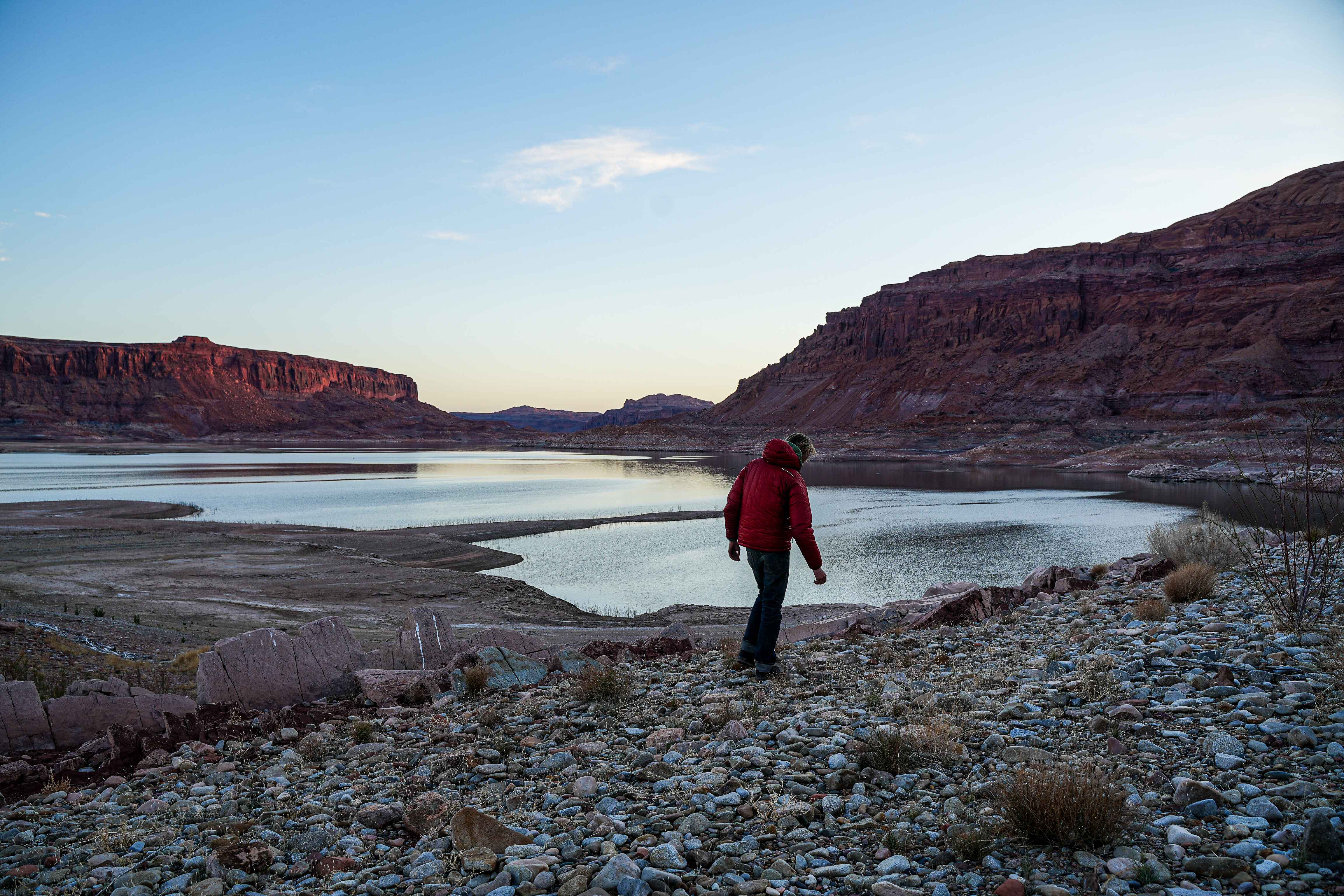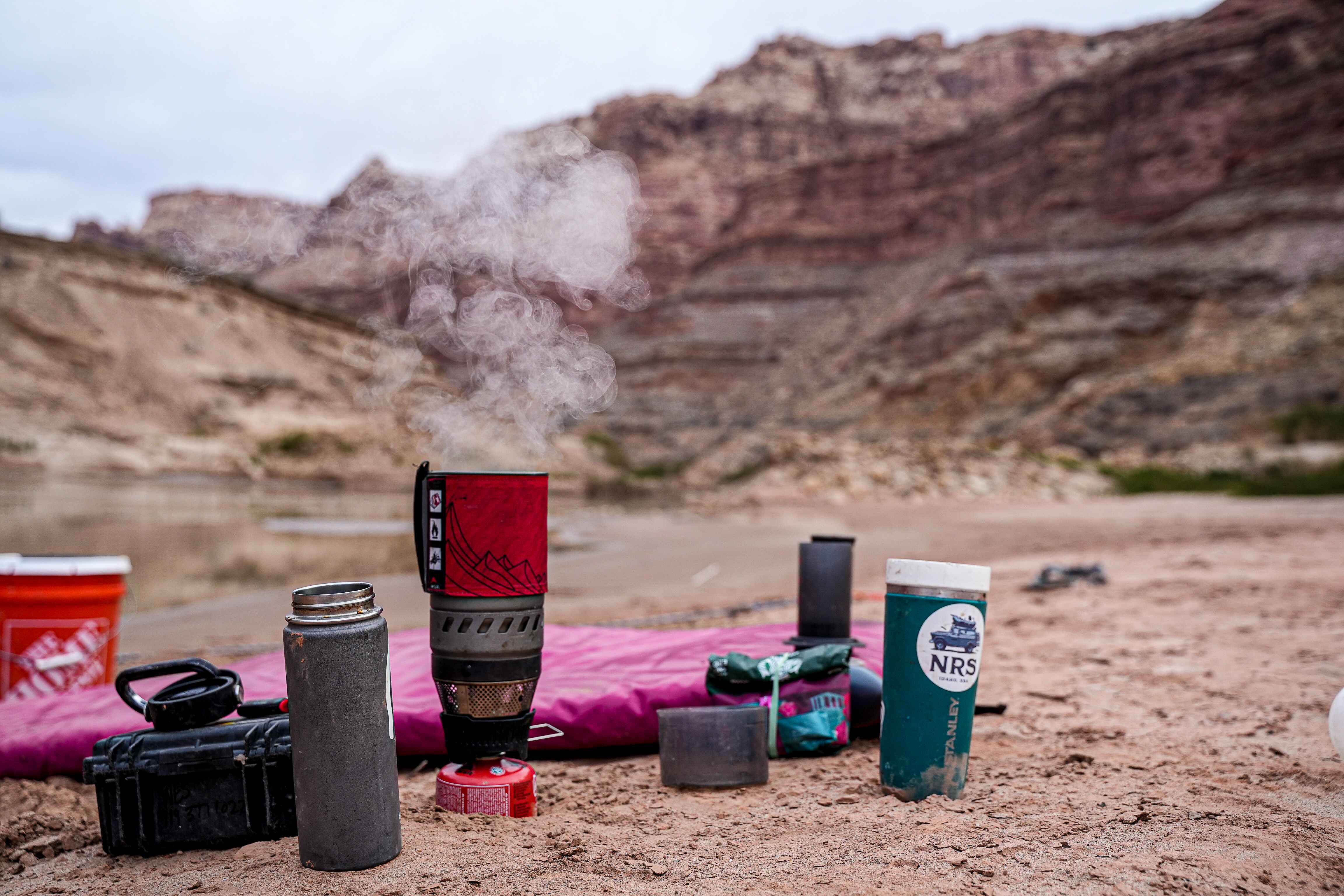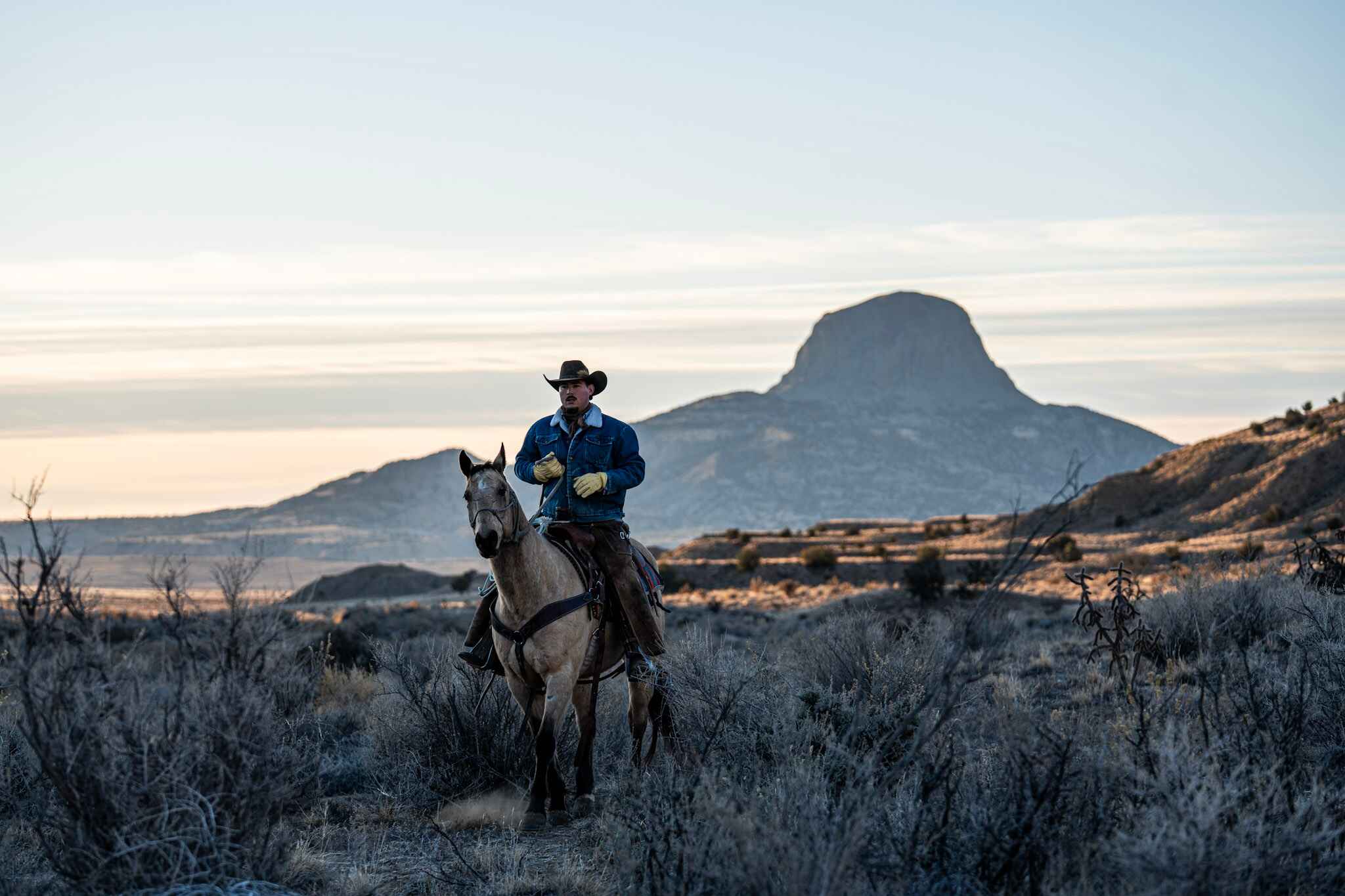
A contractor east of Durango called us with a spreadsheet.
Five columns. Five sales calls in one week. A radio rep who could put him on stations from Farmington to Pagosa. A Google Ads agency with a case study from a plumber in Denver. A social media manager offering three posts a week. A local SEO firm with a monthly rate on the website. A print rep with a quarter page in the visitor guide.
Every one of them was certain. Every one of them needed about the same amount of money — which happened to be the whole budget.
"Which one is right?" he asked.
Wrong question. You can't compare channels until you know what you're comparing. So this is the field guide we wish he'd had before the first call: every channel realistically sold to a business in Durango and the Four Corners, what each is good at, where each breaks, and what we'd tell a friend to do first.
One disclosure: Creative Flow Studio is a full-service marketing agency in Durango — websites, social media and content, digital marketing and SEO, and AI systems, with photography and video in-house — and we build the owned assets every channel below depends on, then hand them over in your name. Read that into everything that follows.
The Frame That Makes the Comparison Honest
Four ideas. Once you have them, every proposal reads differently.
Rented reach versus owned assets. Radio, Google Ads, paid social, and print are rented. You pay, you're seen; you stop, you vanish, and you keep nothing. Your website, photography, email list, brand, Google Business Profile, and rankings are owned. They keep working after the contract ends. Neither is wrong. But know which one you're buying.
Demand capture versus demand creation. Someone typing "plumber Durango" already wants a plumber; reaching that search is capturing demand. Radio, social, and print mostly reach people who weren't looking — they create familiarity for later. Capture is fast and measurable. Creation is slower, and it's how you become the name people already know when they finally search.
What compounds versus what resets. A ranking earned this year still earns next year. A spot that aired in March is gone. Over three years the difference is enormous.
The Durango calendar. As of this writing, the city is home to roughly 19,400 people and the county to roughly 56,000, per Census estimates — and revenue runs on locals and visitors at once. Visitors move with the calendar: Snowdown ran January 23 through February 1 this year, Purgatory ran late November into late March, the train's full Silverton runs go roughly May through the start of November, and Fort Lewis College brings about 3,500 students to town each fall. The city collected $1.9 million in lodgers' tax in 2023; visitors are a real economy here.
So timing is part of the comparison. A channel that takes four months to work, switched on in June, delivers in October — after the season it was meant to catch.
You can't compare channels by price. You can only compare them by what you're left holding when you stop paying.
Radio
What it is here. Broadcast radio is still a serious product in the Four Corners. Hutton Broadcasting describes itself as New Mexico and Southern Colorado's largest integrated marketing and media company, with roughly 15 stations across the two states, a Durango cluster, and digital, video, and display advertising alongside the airtime. Pricing isn't published; you get a proposal after a conversation.
What it's good at. Reach and frequency among people who drive — and everyone here drives. Bayfield to Durango is half an hour; Farmington is over an hour. Radio fills that time. It's strong for events, seasonal specials, and the familiarity that makes a business feel like it's always been here.
Where it breaks. It's rented, and attribution is soft. The creative is usually an afterthought, and a bad spot with great frequency is just a familiar annoyance. And radio sends people somewhere — your listing, your site, your door. If those can't convert, the airtime was wasted.
What it should cost to try. Not published locally. Ask for media and production costs separately, and what the rate becomes after the introductory flight.
Who should buy it. Established businesses with an offer most of the county could use. Events. Not a brand that hasn't launched.
Google Ads and Paid Search
What it is here. Buying position on the searches your customers already type. Most full-service agencies in town sell it as a line item — our comparison of Durango agencies lists who publishes what.
What it's good at. Speed and measurement. On Monday, calls by Friday. Run it for the season you need and pause it for the one you don't. For an urgent, high-ticket service — a dead furnace in January — nothing captures demand like it.
Where it breaks. Volume. Keyword tools show near-zero searches on phrases that bring real Durango customers every week, which makes campaigns hard to tune and easy to overspend. At small budgets the management fee can quietly exceed the media. Every click lands on your website; if it's slow on a phone, you're paying for visitors who leave. It stops the day you stop.
What it should cost to try. Two numbers, always separate: the media budget that goes to Google and the fee that goes to whoever runs it. If a proposal blends them, ask them to un-blend them.
Who should buy it. Home services, medical and dental, legal — anywhere the customer is already searching and the ticket justifies the click. Less useful when the map pack does the choosing; "coffee near me" gets picked from the map, not the ads.
Paid Social
What it is here. Instagram and Facebook ads, targeted by geography and interest. In a visitor town, that includes reaching people in Phoenix or Dallas while they're still planning the trip.
What it's good at. Visual businesses — venues, lodging, retail, tours, food. Retargeting people who visited your site and didn't book. Reaching the visitor before they arrive.
Where it breaks. Creative fatigue: the same three images stop working in a few weeks, and most small businesses don't have real photography to rotate in. Small audiences get expensive. And the reach ends with the campaign.
What it should cost to try. No local rates are published. Start with a small test and a real creative set, not a stock graphic with your logo on it.
Who should buy it. Anyone whose product is worth looking at, with the photography to prove it.
Organic Social and Content
What it is here. Posting on your own accounts to an audience that chose to follow you. The distribution is rented from the platform. The content is yours.
What it's good at. Compounding familiarity. When the work is genuinely good, the platforms carry it further than any budget could. A one-day content intensive at Pinto Ranch produced a month of posts and 300,000+ organic views in three weeks. Nobody paid for those views.
Where it breaks. Consistency. The account that posts twice in March and goes dark until July is worse than no account. The other failure is posting about nothing — a monthly fee for stock graphics and inspirational quotes. That's activity, not marketing.
What it should cost to try. Time and production. If you pay someone, pay for the shoot and the system that turns one shoot into a month of posts, not for the act of posting.
Who should buy it. Anyone with something real to show — food leaving a kitchen, a truck being detailed, cattle being worked. If the business is visual and honest, this is the best-value channel on the list.
Local SEO and Your Google Business Profile
What it is here. Showing up in the map pack and the organic results when someone in the county searches for what you do: your Business Profile, your reviews, and a site built so Google can read it. It's the most widely sold service in town, and one of the few with published local prices. As of this writing, Animas Marketing publishes local SEO from $375 a month and a growth tier at $650, with a standard four-month commitment. SurMarketing publishes local SEO from $1,649 a month, built for home-service contractors, cancel anytime.
What it's good at. The highest-intent traffic there is. The person searching "auto detailing Durango" is a customer, today. It compounds, and it's owned as long as the profile and site are in your name. When we built Coop's Auto Detailing, the site scored 95% on search performance, took top local rankings, and bookings doubled after launch.
Where it breaks. It's slow — months — so it fails when started too late for the season. It's vague when sold vaguely: "SEO included" often means a plugin was installed. And it can't overcome a slow, thin site.
What it should cost to try. One of the published monthly rates above, or a one-time foundation build that puts the structure in place and hands it to you. Ask which you're buying. Ask who owns the profile.
Who should buy it. Every business with a location or a service area.
Email and SMS
What it is here. The list of people who already bought from you. The cheapest owned channel there is, and the most neglected.
What it's good at. Off-season revenue and repeat customers. A restaurant with 2,000 past guests on a list doesn't need to buy attention in February. For a venue, last year's inquiries are next year's bookings.
Where it breaks. Nobody builds the list; three years later there are 41 subscribers. Or you send only when you need money, which teaches people to ignore you. SMS has a shorter fuse.
What it should cost to try. A tool subscription and a habit. The expense is discipline, not dollars.
Who should buy it. Anyone with a repeat customer.
Print and Out-of-Home
What it is here. The visitor guide. The Durango Herald. Rack cards in hotel lobbies. The airport and hotel screens Hutton's site lists among its display products.
What it's good at. Reaching visitors in the moment they're deciding — at a rack in a lobby, over breakfast with the guide.
Where it breaks. Nearly impossible to measure. Rented, with long lead times: the guide you book in fall runs next summer. And poor design kills it; a cluttered quarter page next to a clean one loses every time.
What it should cost to try. Get the rate card. Then get the design done properly; the design is most of the outcome.
Who should buy it. Tourism-facing businesses. Not a contractor.
Your Website: The Asset Every Channel Lands On
Every dollar in every section above ends up in the same place. The spot, the ad, the post, the rack card, the map listing — all of it lands on the same handful of pages.
So the website isn't a channel. It's the floor the channels stand on. If it's slow on a phone or makes booking a five-step ordeal, every channel above it underperforms, and you'll blame the channel.
When we rebuilt the site for Mortenson Ranch, the booking system alone pulled in 20+ wedding and private-event inquiries in its first six weeks, and calls about basic questions dropped by 70%+. Nothing about their advertising changed. The floor did. We've written about what a site should actually cost here and why you should own it outright.
Photography and Video: The Asset Every Channel Is Made Of
Radio excepted, every channel above is built from images. The ad is a photograph. The post is a photograph. The website is a stack of photographs with words between them.
Which is why the cheapest thing on this list, per dollar, is a real shoot. One day in your actual environment, in real Durango light, feeds social, ads, print, and the site for a year. Stock photography feeds nothing; people can smell it. Wes shoots for the studio and for clients across the Southwest; the gallery is the argument.
The Channels, Side by Side
| Channel | Rented or owned | Time to first result | Best for |
|---|---|---|---|
| Radio | Rented | Weeks | Local familiarity, events, county-wide services |
| Google Ads | Rented | Days | Urgent, high-ticket services people search for |
| Paid social | Rented | Days | Visual businesses, visitors before they arrive |
| Organic social | Content owned, reach rented | Weeks to months | Anything real and visual |
| Local SEO / Business Profile | Owned | Months | Every business with a location or service area |
| Email / SMS | Owned | Immediate, if the list exists | Repeat customers, off-season revenue |
| Print / out-of-home | Rented | A season | Tourism-facing businesses |
| Website | Owned | Every channel depends on it | Everyone |
| Photography / video | Owned | Every channel is made of it | Everyone |
Who Should Run It
The channel question hides a second one: who does the work.
An agency retainer buys a team and a monthly cadence. Right when you need several channels run at once. The risk is paying for breadth you don't need — and ending the relationship with nothing you own.
A freelancer buys one skill, cheaply. Good for one channel with a clear brief. Fragile when that one person is booked or gone.
In-house buys attention and context nobody outside can match. Rare below a certain size, and the hire needs real training or they spend a year learning on your money.
The owner with AI is new, and real. An owner who understands their customers, with a documented voice and current tools, can run email, organic social, and the Business Profile in a couple of hours a week. It doesn't replace a shoot or a build. It replaces the agency that was charging monthly to post. We wrote a plain-language guide to how to actually use AI in a small business, another on how to tell a good marketer from a confident one, and a hiring guide with the questions that expose what you're really buying.
What We'd Tell a Friend
Not a package. A sequence. Three businesses we see constantly.
A restaurant on Main Avenue. First, the owned foundation: a complete Business Profile with real photographs, a fast site with the menu and hours on the first screen, and email capture from reservations. Second, organic social built from a real food shoot — that's what fills a slow Tuesday. Third, a small paid-social test aimed at visitors in the weeks before Snowdown and before train season. Radio last, and only for something specific: an event, a patio opening.
A home-services contractor. First, a site that loads instantly on a phone and puts the number and service area in the first sentence. Second, the local SEO foundation and a habit of asking for reviews — this is what compounds. Third, Google Ads as the bridge while the rankings catch up, scaled back as they do. Radio is a reasonable fourth, once the phone is actually being answered.
A ranch or venue that books events. First, photography and video, because the product is the place and nobody books a place they can't see. Second, a site with a real booking system, so leads land somewhere that works at 11 p.m. Third, SEO for the searches planners actually type. Fourth, paid social to planners in the Front Range, Texas, and Arizona. Fifth, email to every past guest and every inquiry that didn't close.
Notice the order. Owned first, then rented. The channels that reset every month are the last thing you turn on — because by then, every dollar of rented reach lands on something that converts.
Frequently Asked Questions
Is radio advertising still worth it in a small town?
It can be, for the right business. In the Four Corners people drive long distances, and radio fills that time with frequency no digital channel matches locally. It's strongest for established businesses with a broad offer, and for events. It's weakest as a first move: if your website and Google listing can't convert the people it sends, the airtime is wasted.
Should a small business do SEO or Google Ads first?
Build the SEO foundation first, because it compounds and you own it, then use Google Ads as a bridge while the rankings take hold. Ads produce results in days; SEO takes months. If your business is seasonal, start the SEO work at least a season ahead. If a proposal offers both, ask for the media cost and the management fee as separate numbers.
How much should a small business spend on marketing?
There's no honest universal number; be wary of anyone who gives you one without asking about your margins and your season. Spend on owned assets first — the site, the photography, the Business Profile, the email list — because they lower the cost of every rented channel after them. For reference, published local rates for ongoing SEO run from $375 to $1,649 a month as of this writing.
What's the cheapest marketing channel that actually works?
Email to people who already bought from you, then a complete Google Business Profile with real photographs. Both are nearly free, owned, and neglected by most businesses. The most cost-effective paid move is usually one real photo and video shoot, because it feeds every other channel for a year.
Do I need an agency to run these?
Not all of them. Email, organic social, and your Business Profile can be run by an owner with a documented voice and a few hours a week, especially with current AI tools. The foundation — brand, site, photography, the content system — is worth hiring for, from someone who hands it over when they're done. Multi-channel paid campaigns are where a retainer earns its fee.
If you'd rather talk through your own spreadsheet than guess at it, that's what the one-hour Strategy Consultation is for. We'll tell you which column to fund first, in what order, and what each one should cost you.
Not ready to reach out yet? Start with the Brand World Blueprint — a $4, 14-page guide that scores your brand across five pillars. The clearest picture you'll get of where you actually stand.

Kahlil Ballenger & Nova
Co-founder, The Architect · Creative Flow Studio · Durango, CO
Kahlil leads strategy, web, and AI at Creative Flow Studio — a full-service marketing agency in Durango, Colorado. He writes about brand, systems, and the work that makes small businesses unmistakable.
Nova is Creative Flow's editorial intelligence — a Claude-based agent trained on the studio's voice. Drafts and transcripts pass through Nova; final judgment, and the byline, is human.