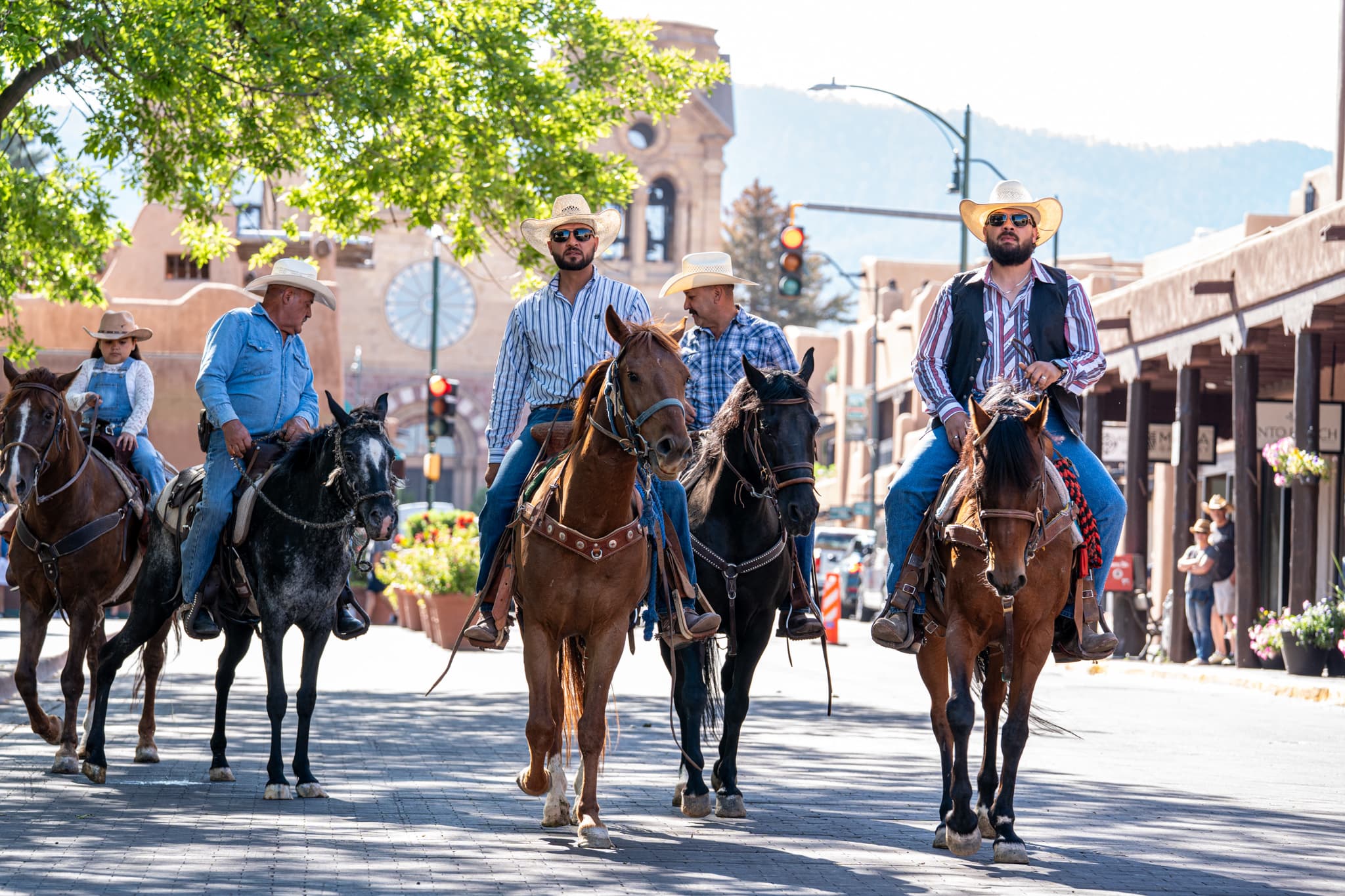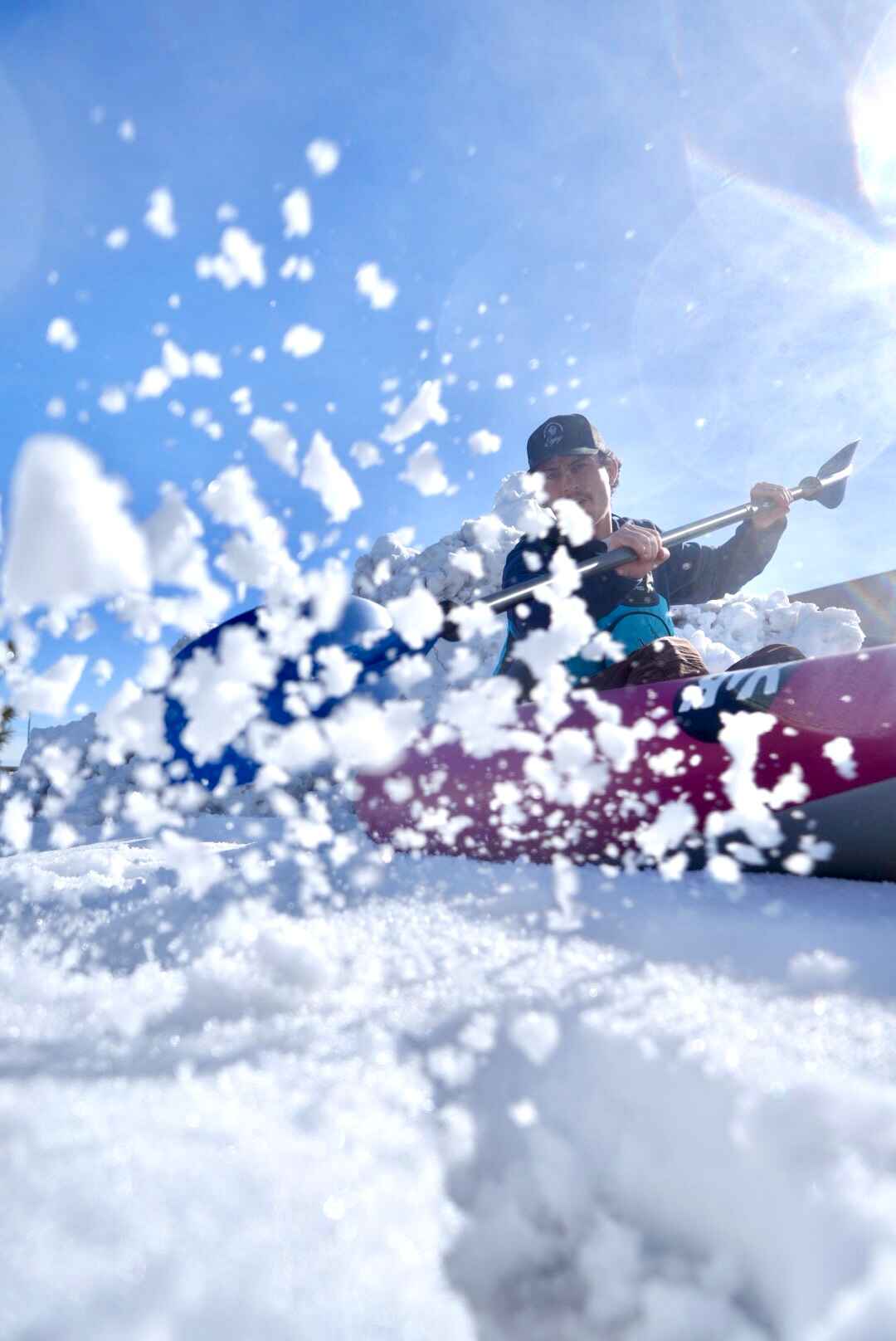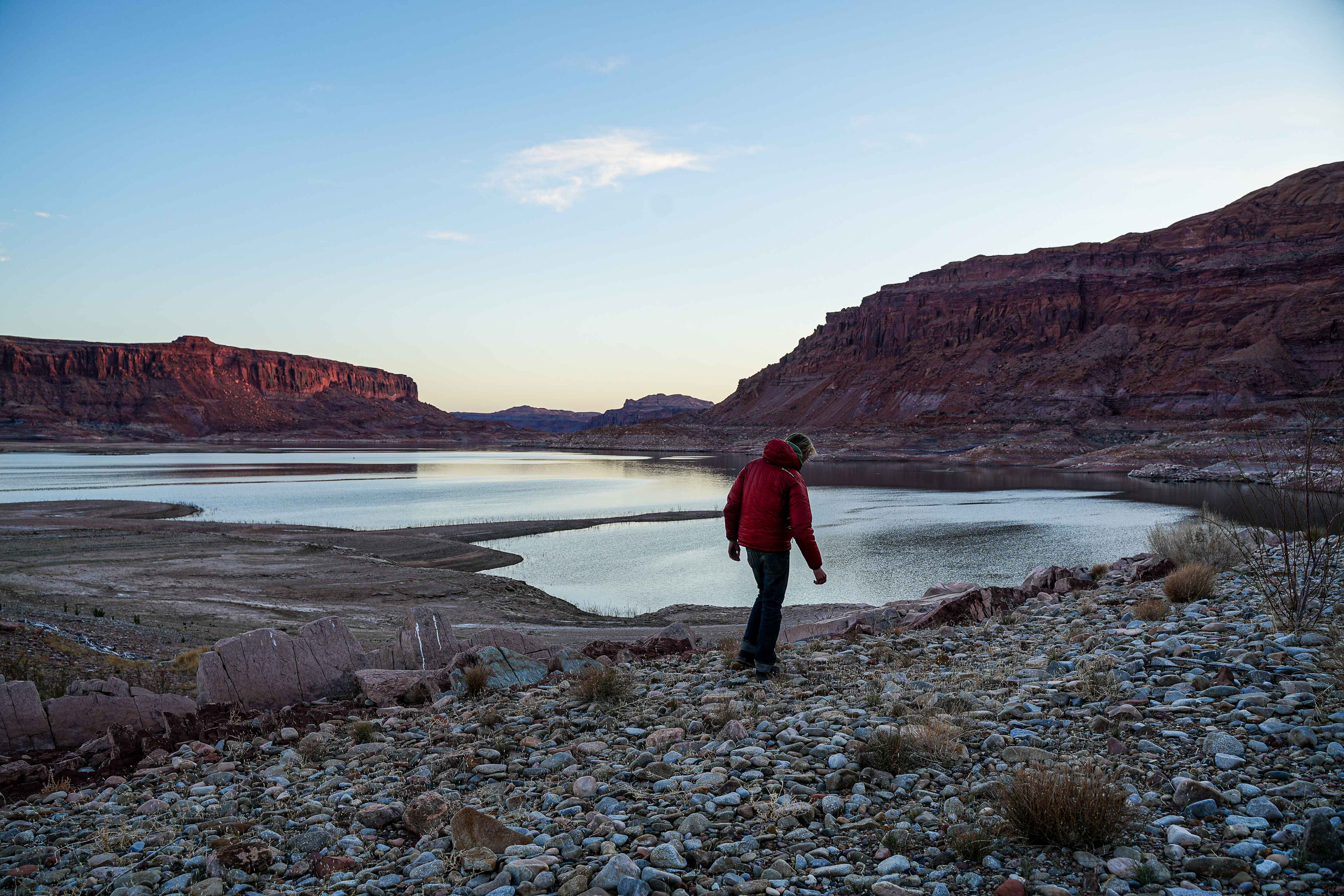
There's a point somewhere before sunrise when the cold feels louder than anything else. Early February in New Mexico, 12 degrees, frost sitting along the fence lines, horses breathing steam into the dark. That's where this started. Not with a camera and not with a plan, just showing up.
I wrote something down one morning while sitting on a fence post trying to warm up a cup of coffee that didn't stand a chance against the cold.
Being a cowboy isn't a job. It's a way of life.
At the time it felt simple, almost like something you say without fully understanding it. But the longer I stayed, the more it started to make sense.
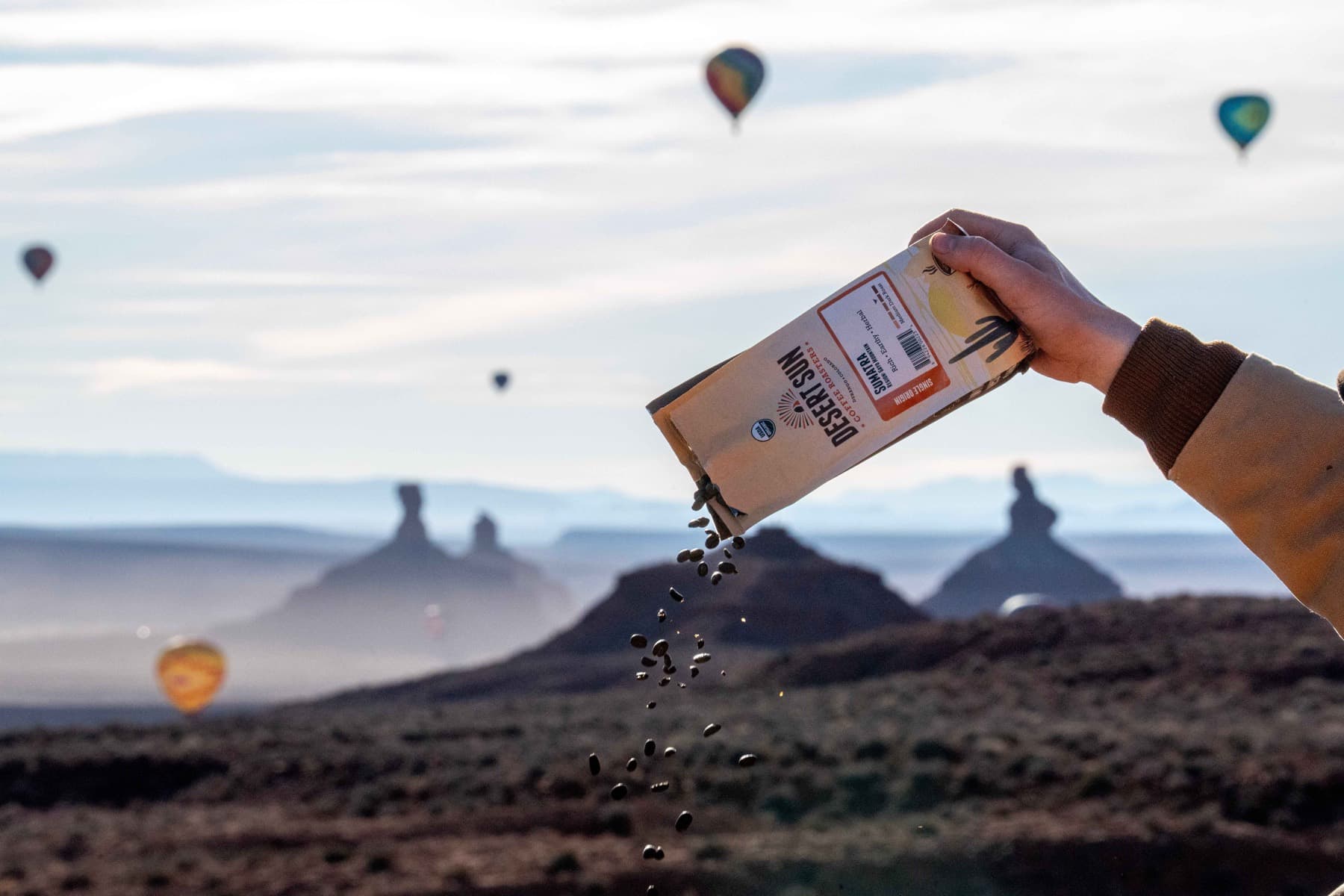
Showing Up
Those weeks didn't follow a schedule. It wasn't structured, and it definitely wasn't every day. It was more about being ready at any moment. I wasn't out there constantly grinding, but when the call came in and I was needed, there was only one response.
"What time?"
That was the deal I made with myself. Drop whatever I was doing, get in the car, and go.
Some days I was helping push cattle and realizing pretty quickly I didn't fully understand how to read them. Other days I was just watching, paying attention to the small things that don't get explained. How a horse responds to pressure. How cattle shift before they actually move. Where to be — and more importantly, where not to be.
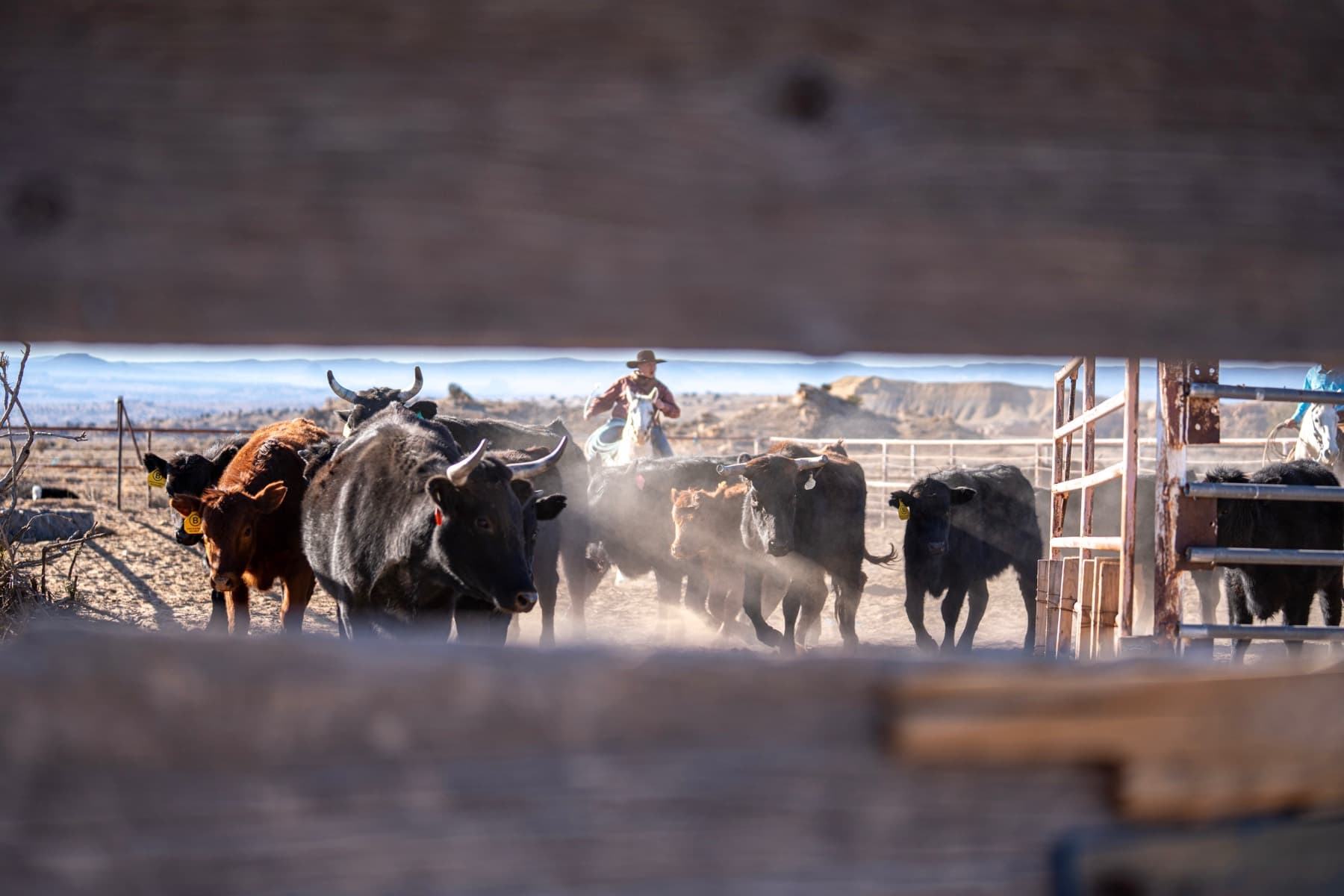
It was a constant process of adapting, learning, and slowly earning a place. At Circle B Ranch, nothing is handed to you. You don't just show up and become part of it. You stay long enough, you listen more than you talk, and over time you start to understand the rhythm.
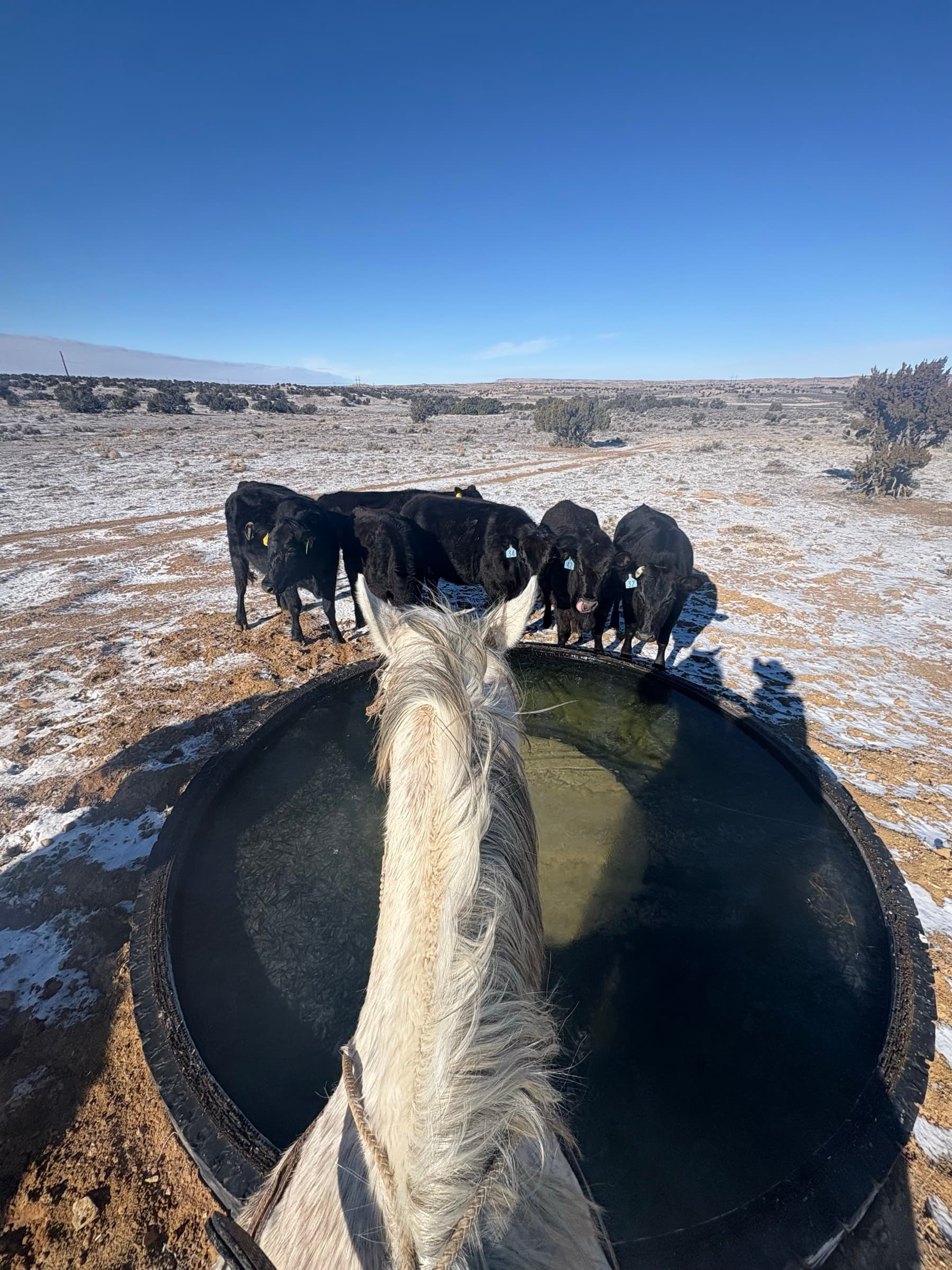
The Madrid Family
The Madrid family carries something deeper than just the work itself. It's not something you can pull out of an interview or stage for a photo. It's history that's lived every day. It shows up in the way things are done without being questioned, in the way everyone moves with purpose, and in the quiet moments in between where nothing needs to be said.
You don't really see it at first. But if you stay long enough, you start to feel it. That's when things shift.
April
By April, the first branding of the season comes around, and everything tightens up. Trucks roll in before sunrise, family and friends gathering without much talk because everyone already knows their role. The coffee is as dark as the sky and hits harder than it should, cutting through the cold air as the day starts to take shape.
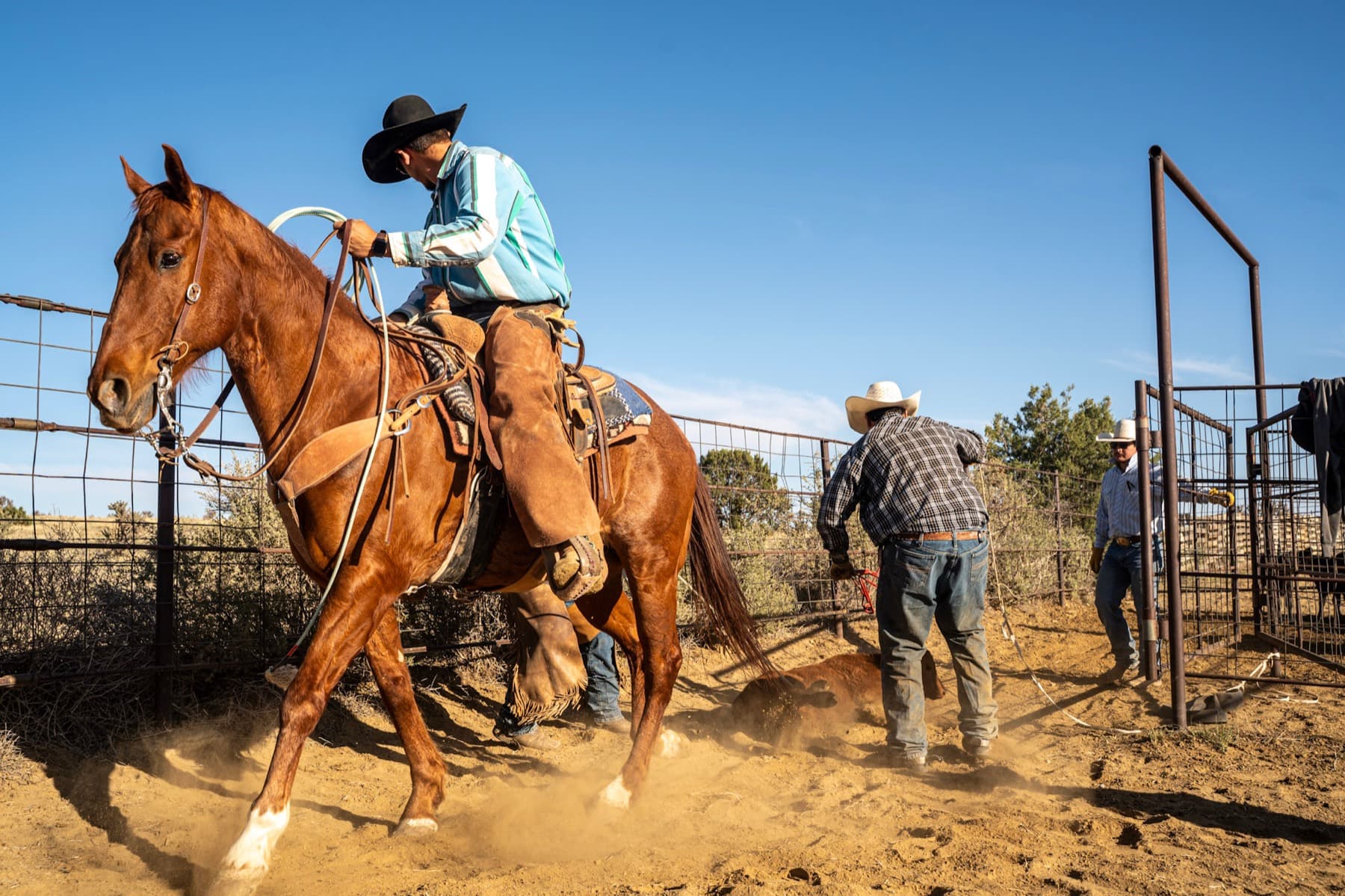
This is where all those weeks of just showing up begin to matter. The work moves fast, and there's no room to hesitate. It's controlled chaos, but it's also something that's been done this way for generations. No shortcuts, no wasted movement, just people doing what they know.
The Camera, Again
This is where the camera comes back into it, but in a different way. I'm not standing on the outside trying to capture something I don't understand. I've been in it long enough to know where to stand, when to move, and when to stay completely still.
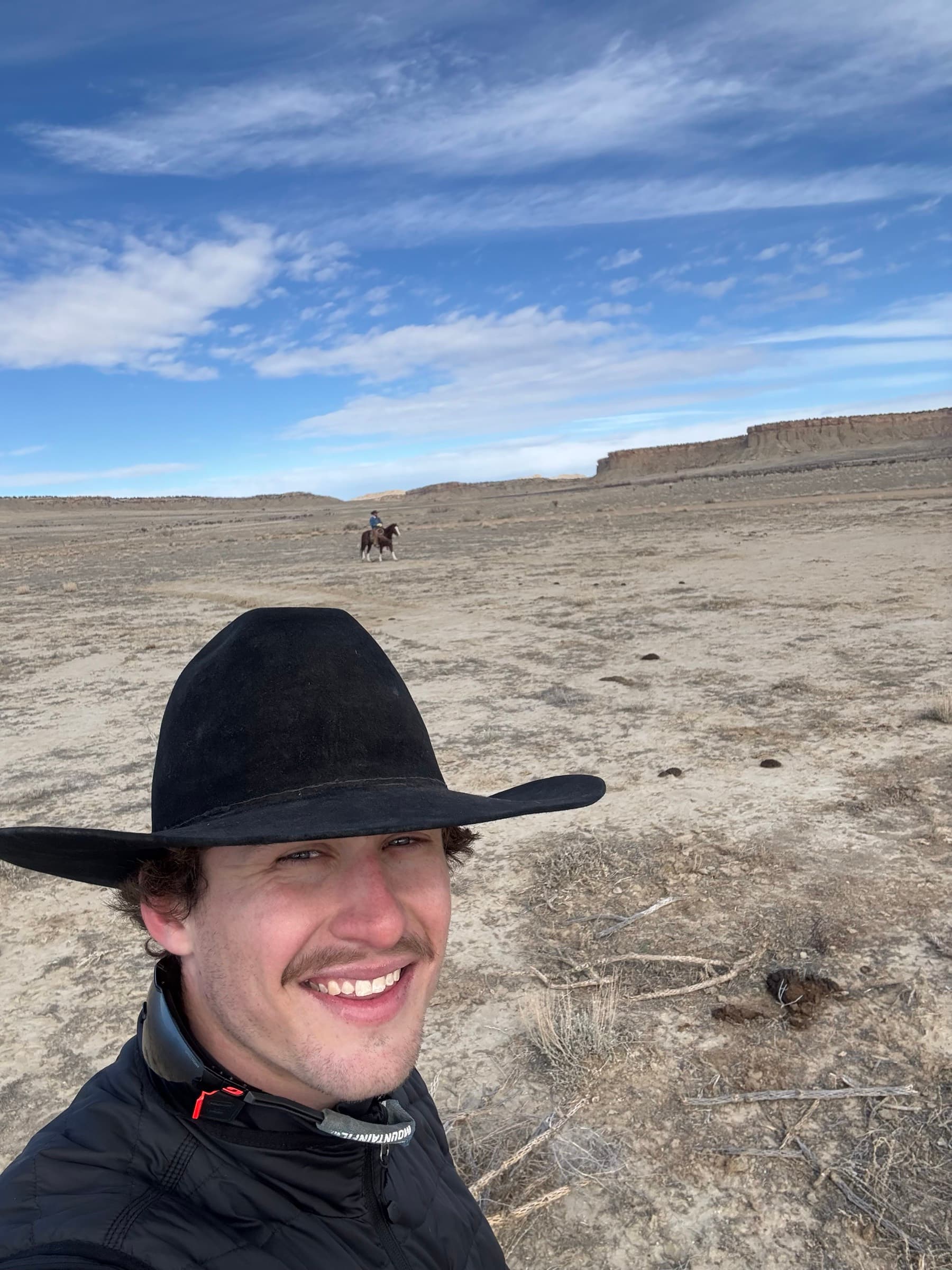
The composition isn't just about framing a shot. It's built from everything leading up to it. The cold mornings. The missed opportunities. The moments where I didn't quite get it right but learned something from it. By the time the dust starts rising and the ropes are swinging, the camera feels like an extension of what I've already been a part of.
The day runs from sunrise to sunset, and it doesn't really slow down. Dust hangs in the air, boots are constantly moving, calves hit the ground, and laughter cuts through the noise in a way that reminds you this isn't just work — it's something people take pride in.
These moments don't wait for you. You either see them or you miss them. And when you do catch one, it carries more weight because you know what it took to get there.
What's Earned
At the end of the day, when everything finally settles, that beer hits different. Not because it's cold — because it's earned.
That's the part most people don't see when they look at a finished photo. They see the dust, the light, and the action. They don't see February. They don't see the waiting, the calls, the "what time?" moments that built everything behind it.
At Creative Flow Studio, I'm not here just to take photos. I'm here to understand what I'm documenting first.
To step into it, learn it, and respect it before ever trying to capture it. Because out here in New Mexico, across ranches and families that have built this life over generations, there's no way to fake it — and there's no way to rush it.
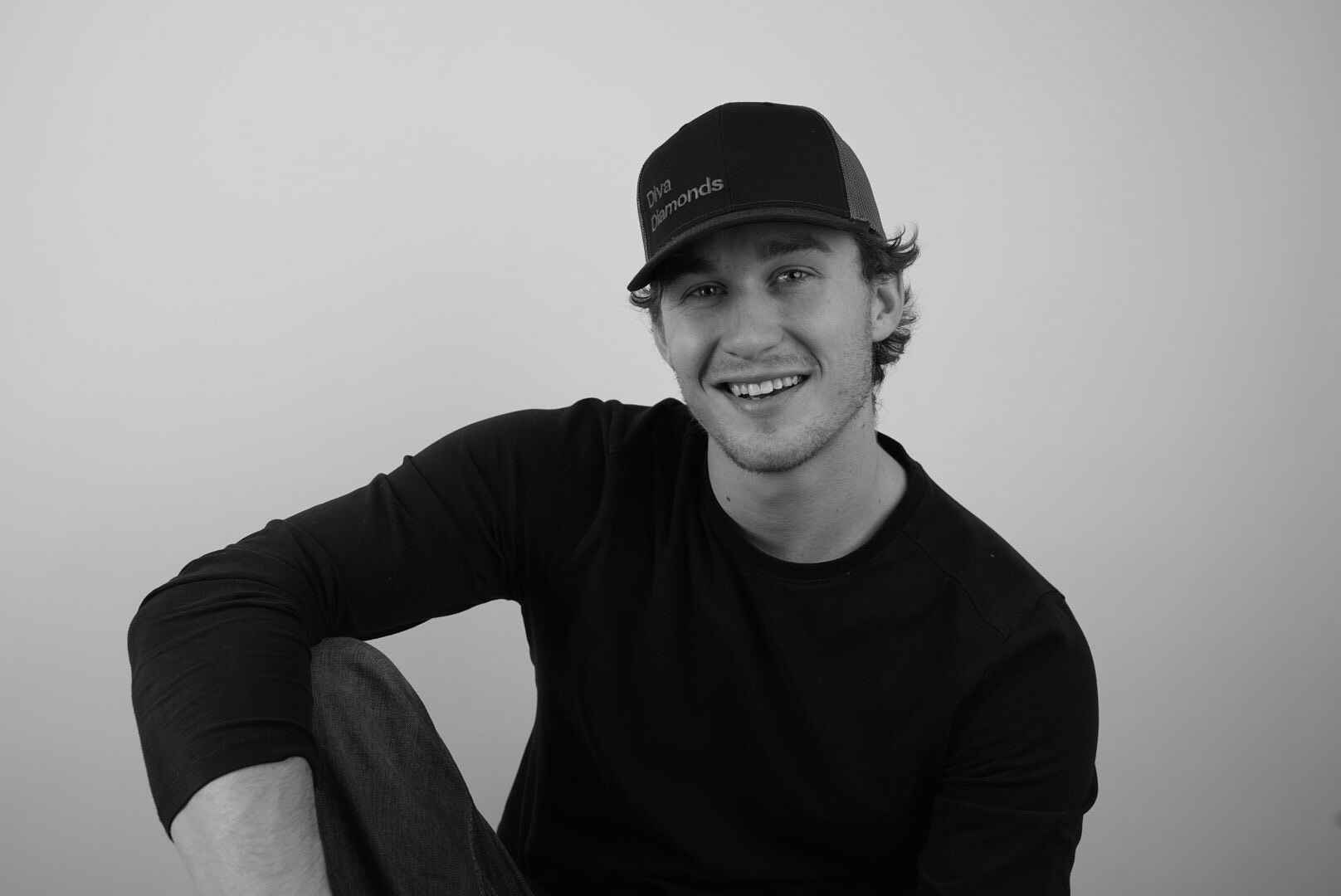
Wes & Nova
Co-founder, The Eye · Creative Flow Studio · Durango, CO
Wes is the eye behind Creative Flow Studio — photography, cinematography, and creative direction. He spends his days on ranches and in working environments across the Southwest, learning the work before ever pointing a camera at it.
Nova is Creative Flow's editorial intelligence — a Claude-based agent trained on the studio's voice. Drafts and transcripts pass through Nova; final judgment, and the byline, is human.